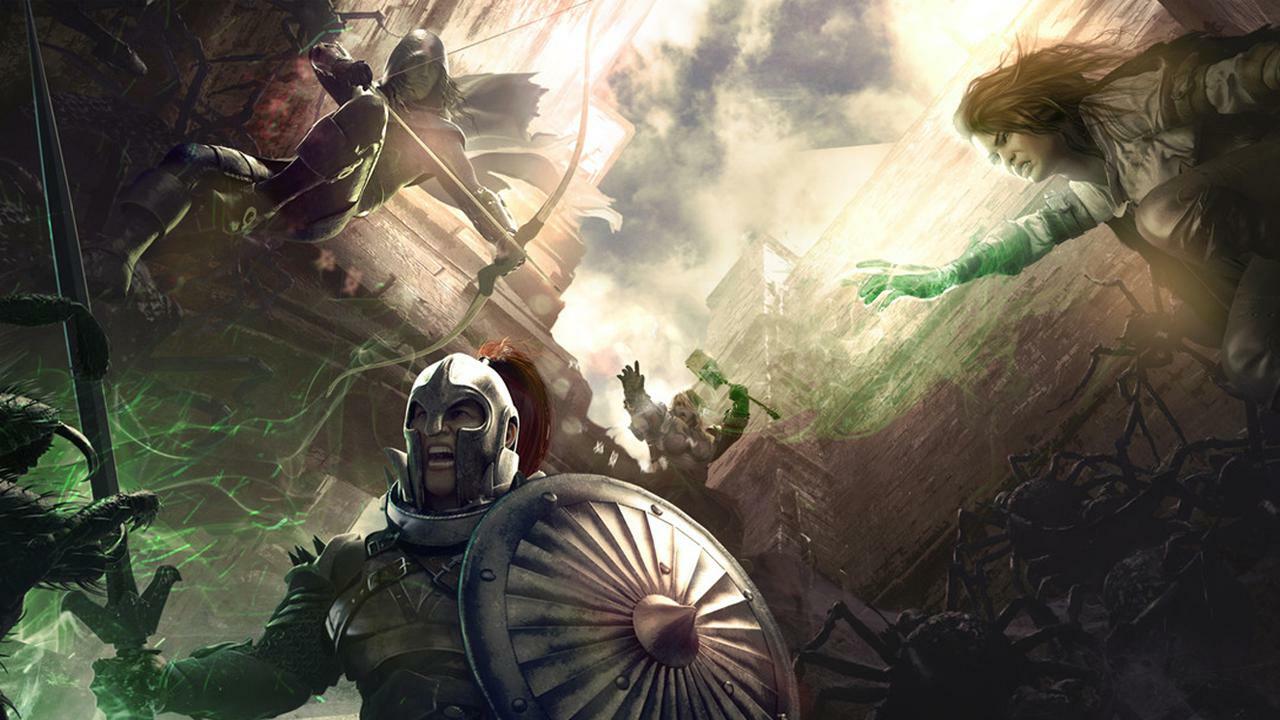
Start Solasta 2 by creating your party and mastering the tutorial. Learn character creation and basic movement mechanics.
Welcome to Solasta 2! Your adventure begins with the creation of your party, a group of adventurers bound by fate and ready to face the perils of this war-torn land. The initial moments of the game serve as an introduction to the world and a comprehensive tutorial, guiding you through the fundamental mechanics necessary for survival.
Upon starting a new game, you'll be presented with the character creation screen. Here, you'll select your race, class, background, and customize your character's appearance. For your first playthrough, it's recommended to choose familiar races and classes, such as a Human Fighter or an Elf Wizard, to ease into the game's systems. The game will provide brief descriptions of each option, highlighting their strengths and weaknesses. For instance, a Fighter's Second Wind ability allows them to regain 1d10 + their fighter level hit points as a bonus action once per short or long rest.
Once your party is assembled, you'll find yourselves in a starting location, often a relatively safe hub like the town of Fairmeadow. The game will then introduce you to basic movement and interaction. You'll learn to navigate the grid-based environment, positioning your characters strategically. Simple quests will be presented, often involving speaking with NPCs, gathering items, or clearing out minor threats.
The tutorial will then guide you through your first combat encounter. You'll learn about initiative, turn order, and the different types of actions available: Action, Bonus Action, and Movement. You'll be shown how to perform basic attacks with weapons like a Longsword, cast simple spells such as Magic Missile (which deals 1d4+1 force damage per bolt), and utilize defensive abilities. Pay close attention to the visual cues indicating range, line of sight, and area of effect for spells and abilities.
You'll also be introduced to the concept of skill checks. For example, a character with high Dexterity might be prompted to attempt picking a lock on a chest, requiring a successful Dexterity (Thieves' Tools) check. The game will clearly indicate the difficulty class (DC) required for success. Remember to save your game frequently, especially after completing tutorial segments or before engaging in your first significant combat encounters.
100% Human-Written. AI Fact-Checked. Community Verified. Learn how AntMag verifies content