
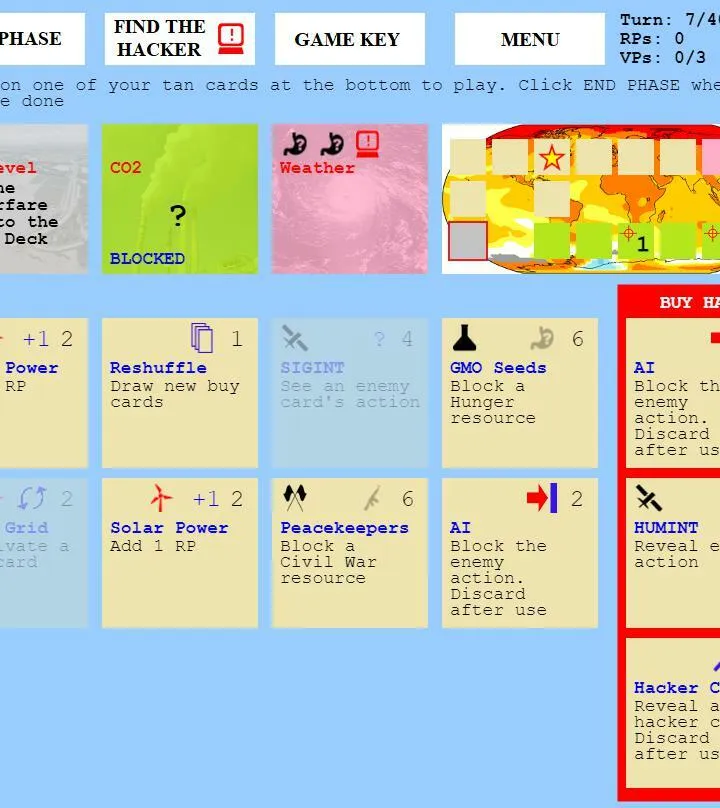
Learn to manage crises in Solarpunk, responding to environmental disasters and social unrest before settlements collapse into failed states.
In Solarpunk™, the path to a sustainable future is rarely smooth, and players will inevitably face various crises that threaten the stability and prosperity of their settlements. Effective crisis management is therefore a critical skill, requiring quick thinking, strategic resource allocation, and the ability to adapt to unforeseen circumstances. Crises can range from natural disasters like extreme weather events to social unrest, resource shortages, or technological failures. The game simulates these challenges, presenting players with difficult choices that can have significant short-term and long-term consequences. oring or mishandling a crisis can lead to a cascade of negative effects, potentially pushing a settlement towards becoming a failed state. A failed state is characterized by a breakdown of law and order, economic collapse, and a severe decline in living standards, making recovery extremely difficult. Players must develop robust contingency plans and maintain sufficient reserves of resources, such as Emergency Supplies and Medical Kits, to weather these storms.
The concept of failed states in Solarpunk™ serves as a stark warning about the consequences of poor governance and unsustainable practices. A settlement that descends into a failed state loses its ability to provide basic services to its citizens, leading to mass emigration, increased crime, and the potential for complete societal collapse. This can occur due to a combination of factors, including prolonged resource depletion, severe environmental degradation, unchecked social inequality, or the inability to respond effectively to major crises. For instance, a settlement that fails to manage its waste properly might experience widespread disease outbreaks, leading to a collapse of its healthcare system and a loss of faith in governance. Similarly, a faction that over-relies on a single, volatile resource and experiences a sudden shortage might see its economy crumble, leading to widespread unemployment and social unrest. The game provides mechanisms for attempting to salvage a failing state, but these are often costly and may not always be successful, emphasizing the importance of proactive prevention rather than reactive recovery. Players must constantly monitor the health of their society, economy, and environment to identify potential warning ss and address them before they escalate into full-blown crises.
Responding to Environmental Disasters
Environmental disasters are a recurring threat in Solarpunk™, demanding swift and decisive action from players. These can include events such as severe droughts, intense heatwaves, widespread floods, or powerful storms. Each type of disaster presents unique challenges. For example, a drought might deplete water reserves and damage crops, requiring players to implement water rationing, invest in desalination plants, or seek external water sources. A heatwave could strain the energy grid as citizens increase their use of cooling systems and also impact worker productivity. Floods can damage infrastructure, displace populations, and contaminate water supplies, necessitating emergency shelter, repair crews, and water purification efforts. Players will receive alerts when such events are imminent or occurring, often with a limited timeframe to prepare or respond. The effectiveness of a player's response is measured by factors such as the number of lives saved, the speed of infrastructure repair, and the mitigation of long-term environmental damage. Investing in resilient infrastructure, such as flood defenses or drought-resistant crops, can significantly reduce the impact of these disasters. Furthermore, having a well-trained Emergency Response Team available can expedite recovery efforts and minimize casualties. The game often provides specific tools or technologies, like weather prediction systems or advanced construction drones, that aid in managing these environmental crises.
Social Unrest and Economic Collapse
Social unrest and economic collapse are critical threats that can destabilize even the most advanced eco-cities in Solarpunk™. These crises often stem from underlying issues such as widespread unemployment, severe resource inequality, lack of essential services, or oppressive governance. When citizen happiness drops below a certain threshold, or when key economic indicators turn negative, the risk of unrest increases. Players might face protests, strikes, or even riots, which can disrupt production, damage infrastructure, and lead to a loss of control over certain districts. To combat this, players need to address the root causes of discontent. This might involve implementing social welfare programs, ensuring fair distribution of resources, investing in education and healthcare, or promoting citizen participation in governance. Economic collapse can be triggered by factors such as a sudden loss of a vital resource, a trade war with other factions, or a catastrophic failure in a key industry. The game simulates the interconnectedness of the economy, where a downturn in one sector can have ripple effects throughout the entire system. Players must maintain a diversified economy, manage their debt levels, and ensure the stability of their supply chains to prevent economic collapse. Having a dedicated Social Stability Index that You can monitor is crucial for anticipating and mitigating these threats. The game may also feature specific policy options or event chains that allow players to de-escalate tensions or implement economic recovery plans.
100% Human-Written. AI Fact-Checked. Community Verified. Learn how AntMag verifies content