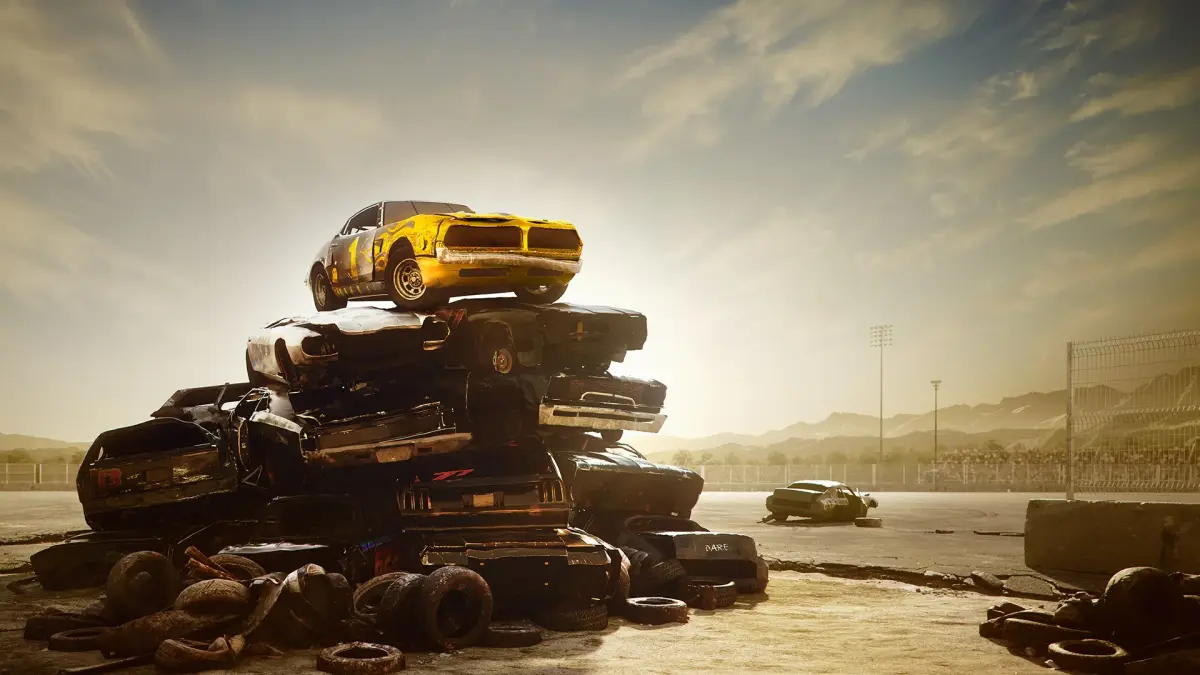
Learn advanced damage management in Wreckfest. Understand damage types and weak points to keep your vehicle fighting fit for consistent victories.
While Wreckfest's core appeal lies in its destructive nature, mastering advanced damage management is crucial for consistent victories, especially in higher difficulty events and online multiplayer. This section delves into proactive and reactive strategies to keep your vehicle in fighting shape.
Understanding Damage Types & Weak Points
Every vehicle in Wreckfest has specific vulnerabilities. Recognizing these and adapting your playstyle is key:
- Frontal Impact: Primarily affects engine health and steering. Repeated head-on collisions will quickly lead to engine failure.
- Rear Impact: Damages the fuel tank and rear suspension. A compromised fuel tank can lead to catastrophic explosions, especially from high-speed impacts.
- Side Impact: Weakens the chassis and can cause wheel detachment. This is particularly dangerous for vehicles with exposed wheels like the "Speedemon" or "Rammer RS."
- Roof/Roll Cage: While less common, severe rollovers can damage the roll cage, leading to increased driver injury risk and potential instant elimination.
Strategic Armor & Reinforcement Choices
Before hitting the track, optimize your vehicle's defenses. The "Garage" menu is where you'll spend most of your time fine-tuning:
- Chassis Reinforcement:
- Heavy Duty Frame: Available for most vehicles, including the "Family Minivan" (from the latest update), this upgrade significantly boosts overall structural integrity, reducing damage from all impact types. Prioritize this for demolition derby events.
- Lightweight Frame: While offering less protection, it improves acceleration and handling. Use this for races where avoiding contact is paramount, such as "Sandpit 1" or "Dirt Devil Stadium."
- Bumper & Panel Upgrades:
- Reinforced Bumpers (Front & Rear): Essential for absorbing frontal and rear impacts. The "Steel Bumper" option provides the best protection but adds considerable weight.
- Side Skirts/Armor Plating: Crucial for protecting exposed wheels and the chassis from side-swipes. Look for vehicle-specific "Heavy Side Guards" in the customization options.
- Engine & Fuel Tank Protection:
- Engine Block Reinforcement: A vital upgrade found under "Engine" customization. It delays engine overheating and critical damage.
- Armored Fuel Tank: Often overlooked, this upgrade drastically reduces the chance of your fuel tank exploding from rear impacts. Highly recommended for any vehicle, especially the "Hammerhead RS" which has a notoriously vulnerable rear.
In-Race Damage Mitigation Techniques
Even with the best upgrades, smart driving is your ultimate defense:
- Targeting Opponent Weaknesses: Instead of blindly ramming, aim for exposed wheels, sides, or the rear of opponents to disable them quickly while minimizing damage to your own vehicle. For example, a well-placed side-swipe on a "Bus" can quickly detach its wheels.
- Controlled Impacts: When a collision is unavoidable, try to hit with the strongest part of your vehicle (usually the reinforced front bumper) and at an angle that deflects the impact rather than absorbing it head-on.
- Utilizing Obstacles: Use trackside barriers, abandoned vehicles, or even other opponents as shields to absorb incoming damage, especially in chaotic events like "Figure 8 Demolition."
- Strategic Retreats: If your vehicle is heavily damaged, especially the engine or steering, consider backing off from the main pack for a short period to allow for minor self-repair (if enabled in game settings) or to avoid further critical damage. This is particularly effective on longer tracks like "Big Valley Speedway."
- Minimizing Rollovers: Avoid aggressive cornering or high-speed impacts that can lead to rollovers, as these often result in severe, widespread damage and potential instant elimination.
100% Human-Written. AI Fact-Checked. Community Verified. Learn how AntMag verifies content