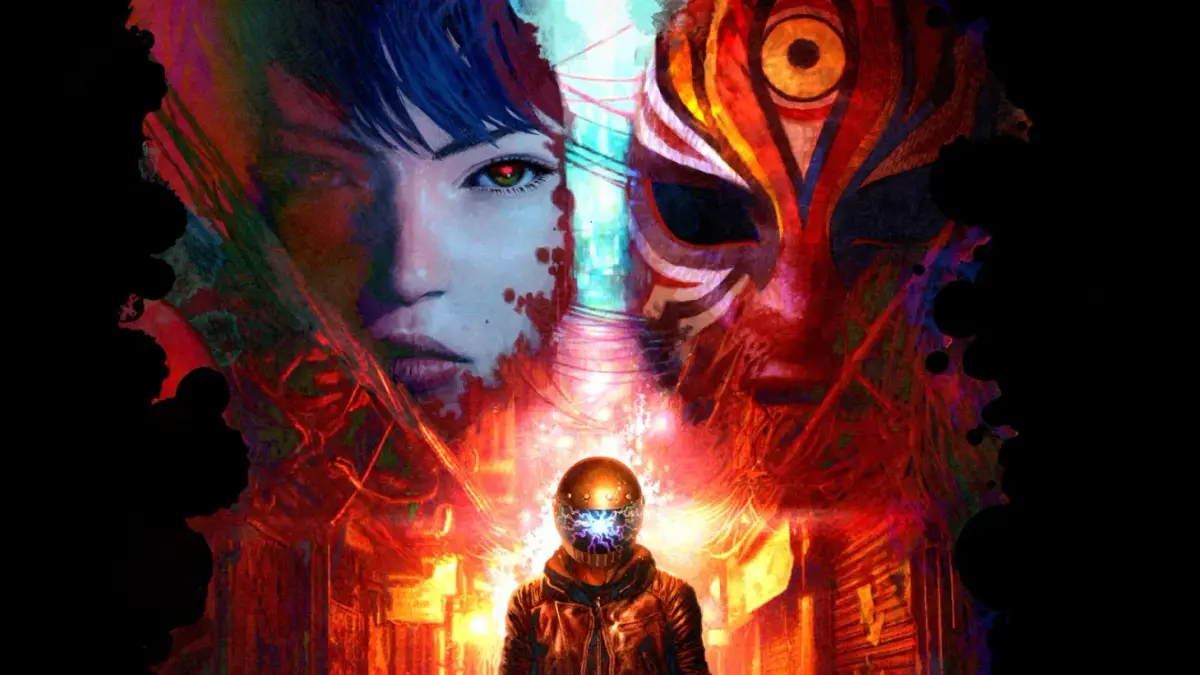
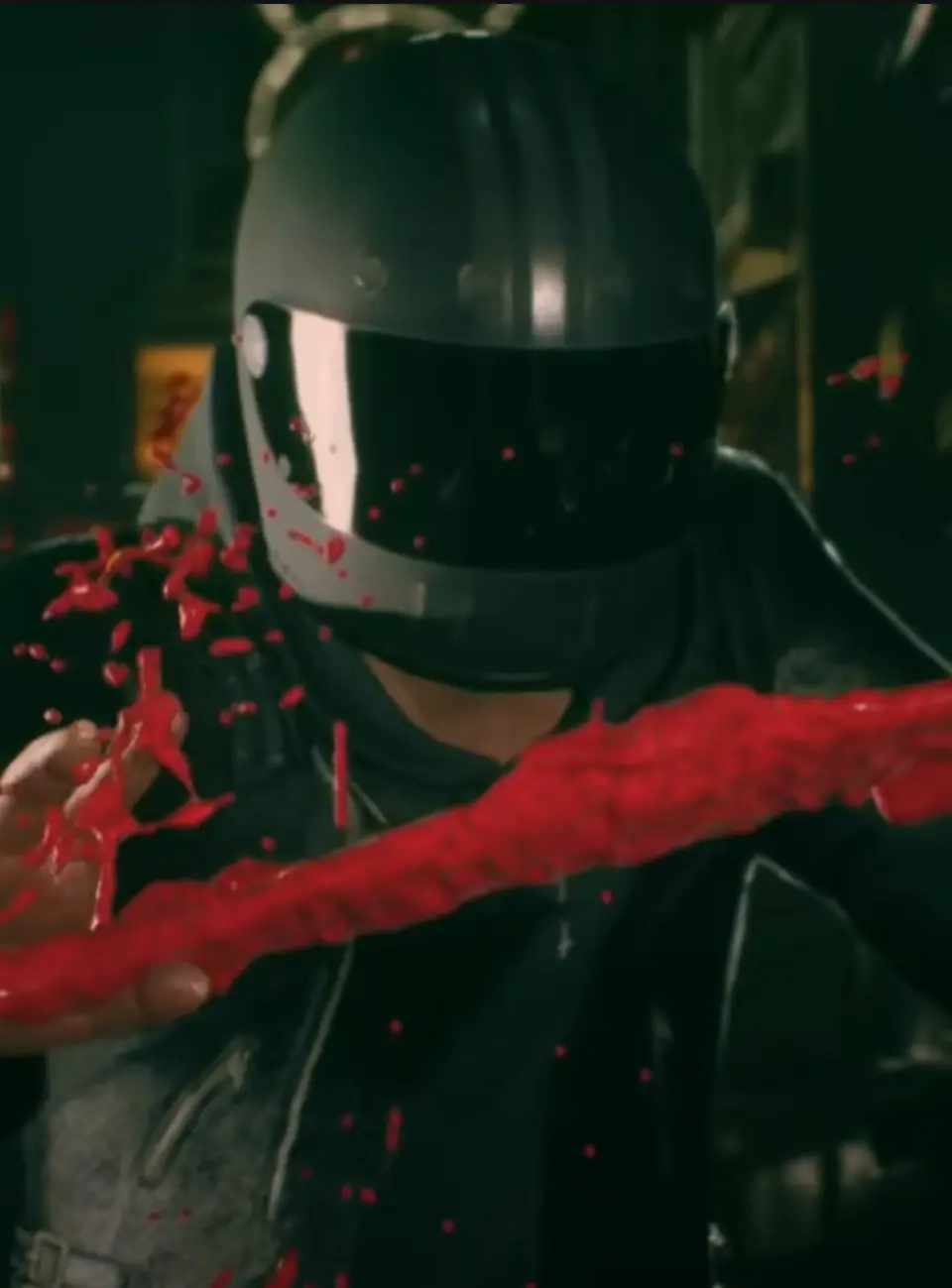
Explore the game modes and difficulty settings of Slitterhead. Learn how to best approach the challenges and master the unique mechanics of this survival horror title.
Slitterhead offers a unique gameplay experience that blends survival horror with possession mechanics. While the game doesn't feature traditional difficulty settings, its core mechanics and mission structure present distinct challenges.
Core Gameplay Mechanics:
- Possession: Players control a disembodied spirit that possesses human bodies to fight enemies. This is the central mechanic, allowing for strategic combat and evasion. Newly possessed characters gain a temporary buff, encouraging rapid body-switching.
- Combat: The combat is primarily melee-focused, with an emphasis on dodging and parrying. Enemy attacks can be overwhelming, and players are encouraged to switch bodies frequently to maintain an advantage.
- Enemy Types: Players will encounter Slitterheads, monstrous beings that possess humans and consume brains, as well as other creatures and disguised Slitterheads among the citizenry.
- Sight-Jacking: A mechanic borrowed from Siren, allowing players to see through the eyes of other characters to identify targets. However, its effectiveness is often limited by repetitive environments.
Game Structure and Progression:
- Mission-Based: The game is structured around missions, alternating between narrative exposition and gameplay segments.
- Level Design: Gameplay takes place in vaguely open-ended, grimy urban environments.
- Rarities: Special characters with upgradable superpowers that are essential for progression. Some optional objectives are required to unlock these characters, which can halt the main plot until completed.
Horror Elements:
- While the game features gore and conceptually horrifying themes (body possession, brain consumption), it is generally not considered scary due to a lack of player investment in the human characters and the frequent, unexplained spawning of civilians.
Overall Experience:
- Slitterhead aims to evoke the experimental spirit of the PS2 era, but this comes with janky design choices, a peculiar dialogue system, and dated visuals. The narrative can be convoluted, introducing complex plot elements like time loops and parallel universes that may detract from the core experience.
100% Human-Written. AI Fact-Checked. Community Verified. Learn how AntMag verifies content