
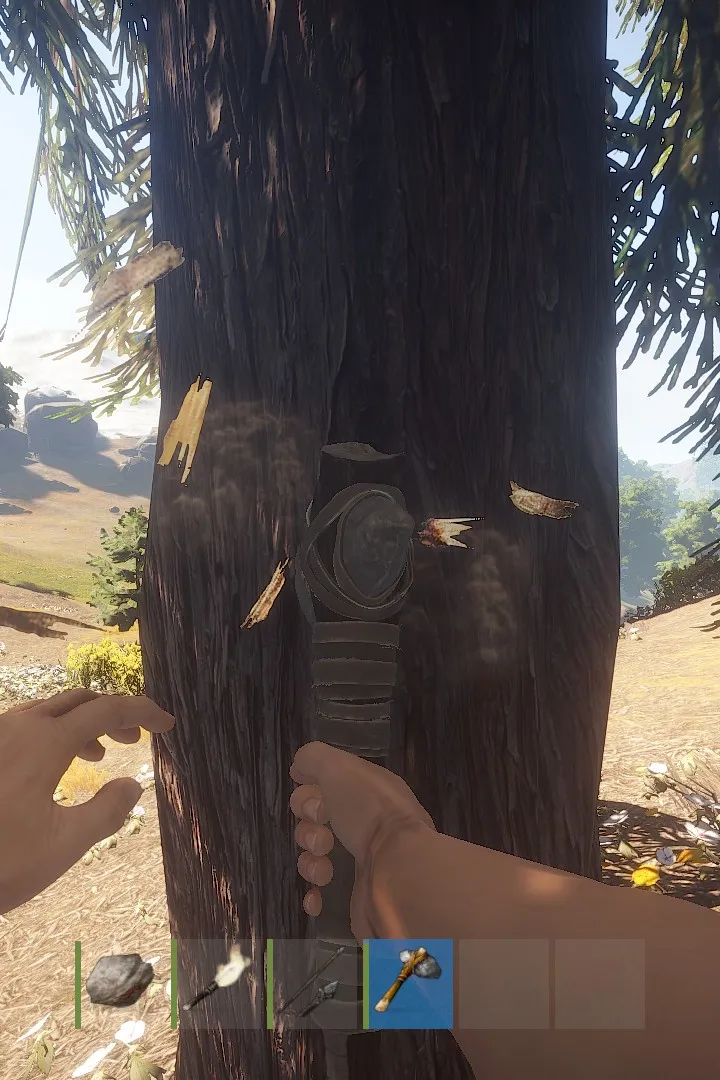
Unlock the secrets to Blueprints and Workbench Tiers in Rust. Learn how to progress efficiently, gather resources, and craft better gear to dominate the island.
Hey there! So you're diving into Rust and wondering about those Blueprints and Workbenches? It can seem a bit daunting at first, but think of it like this: Blueprints are your recipes, and Workbenches are your kitchen stations. The better your station, the more complex (and awesome!) things you can cook up. This guide will break down how to get the most out of them as you progress.
Understanding Blueprints
Blueprints are essentially the knowledge you need to craft items in Rust. You start with a basic set, but to get to the good stuff – like advanced weapons, better armor, or more complex building components – you'll need to find or learn more Blueprints.
How to Get Blueprints
- Starting Blueprints: You'll have a few basic ones unlocked from the get-go.
- Research Table: This is your primary way to learn new Blueprints. You'll find items in the world, and by putting them into a Research Table, you can spend Scrap to learn their Blueprints. The rarer the item, the more Scrap it'll cost.
- Blueprints in the World: Sometimes, you'll find Blueprint fragments or even complete Blueprints lying around in crates, barrels, or as loot from certain monuments. Keep an eye out!
- Trading: Other players might have Blueprints they're willing to trade.
Workbench Tiers: Your Crafting Stations
Workbenches are crucial. You can't craft most of the items you find Blueprints for without the right Workbench. Think of them as tiered upgrades for your crafting capabilities.
The Tiers
- Level 1 Workbench: This is your entry-level station. It lets you craft basic items and tools. You'll likely build this early on.
- Level 2 Workbench: Stepping up, this allows for more advanced weapons, armor, and building materials. It's a significant upgrade from Level 1.
- Level 3 Workbench: This is where things get serious. With a Level 3 Workbench, you can craft the most powerful items in the game, including high-tier weapons and explosives.
Why Workbench Tiers Matter
The higher the Workbench tier, the more items you can craft. You'll need to strategically upgrade your base to accommodate these higher-tier Workbenches. Each tier requires more resources and space, but the payoff in terms of gear and survival potential is huge.
Getting Higher Tier Workbenches
You can't just craft a Level 3 Workbench right away. You'll need to find the Blueprints for them, and they often require significant amounts of resources like Metal Fragments, High-Quality Metal, and Wood to build.
Putting It All Together: Progression
The loop in Rust often looks like this: explore, gather resources, find Blueprints (or Scrap to research them), craft a Workbench, upgrade your Workbench, and then craft better gear. Prioritizing which Blueprints to learn and when to upgrade your Workbench is key to surviving and thriving.
Don't get discouraged if you don't have the best gear immediately. Focus on securing a safe base, gathering resources, and gradually unlocking the tech you need. Happy crafting!
100% Human-Written. AI Fact-Checked. Community Verified. Learn how AntMag verifies content