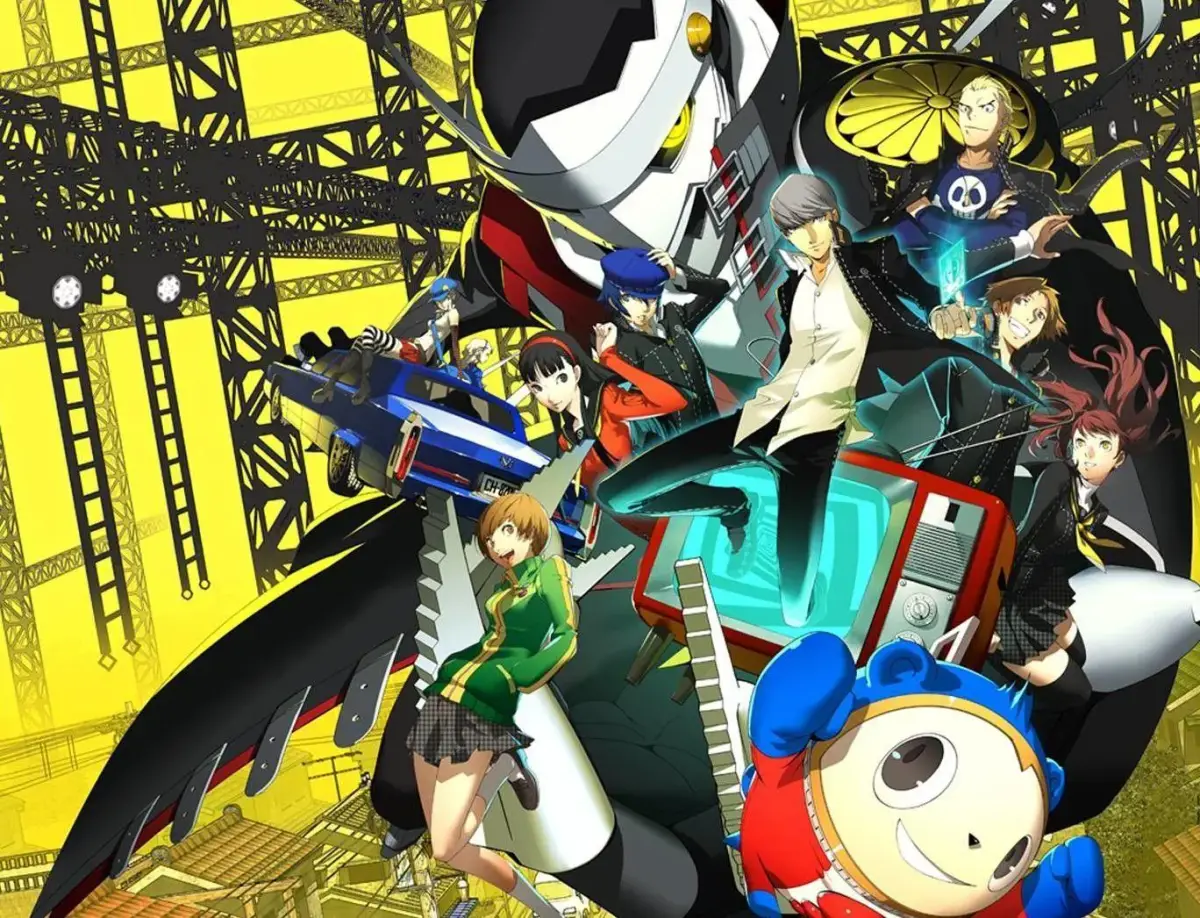
Dive deep into the themes and symbolism of Persona 4 Golden. Understand the game's deeper meanings, from collective unconscious to individual struggles, with this friendly guide.
Hey there! Persona 4 Golden is more than just a JRPG; it's packed with layers of meaning. Let's break down some of the cool themes and symbolism that make this game so special. Think of it like understanding the deeper story behind your favorite characters and events. Collective Symbolism: The Big Picture Ever feel like you're connected to something bigger? The game touches on this with concepts like the collective unconscious. It's like a shared mental space where our deepest fears, desires, and archetypes reside. You'll see this reflected in how characters confront their inner selves and how certain symbols resonate across different cultures and religions. * The Tree of Life: This ancient symbol pops up in various forms, representing creation, connection, and sometimes even the balance between light and dark. In Persona 4 Golden, you might notice its influence in how characters grow and connect, or even in the structure of certain in-game locations. It’s a way the game suggests that everything is interconnected, even the good and the bad. * Eastern Mysticism (Vajrayana Imagery): Alongside Western religious influences, the game also draws from Eastern traditions. This can manifest in the spiritual realms characters visit or the symbolism associated with certain powerful beings. It adds another layer to the game's exploration of different belief systems and how they offer paths to understanding. Law vs. Chaos vs. Neutral: The Core Conflict Persona 4 Golden, like many games in the Shin Megami Tensei series, plays with the classic Law, Chaos, and Neutral alignments. These aren't just about good vs. evil; they represent different philosophies on how society and existence should be structured. * Law (Messianism): This side often represents order, structure, and sometimes a rigid, absolute truth. Think of it as a desire for a perfect, unchanging world. The aesthetics here often lean towards religious imagery, like crosses and monastic robes, often in white and blue. It’s about following a set path, even if it means sacrificing individuality. * Chaos (Gaianism): This is the flip side, representing freedom, instinct, and often a more primal, natural order. It’s about breaking free from constraints, even if it leads to destruction. The imagery here might be more wild and untamed. * Neutral: This path is about balance, finding a middle ground, or forging your own way. It's often the path of the protagonist, seeking to understand and reconcile the extremes. It’s about individual choice and finding your own truth. Summoning Symbols and The Cycle The way you summon your Personas is also symbolic. The act of calling forth these manifestations of the psyche often involves specific rituals or symbols. It’s a visual representation of tapping into your inner strength and confronting your own shadow self. The idea of a cycle is also huge. Life, death, rebirth – these themes are woven throughout the game. You'll see it in the changing seasons in Inaba, the progression of the story, and the personal growth of the characters. It’s a reminder that endings can lead to new beginnings. Other Symbols Keep an eye out for other recurring symbols. Mirrors, for instance, often represent self-reflection and truth, which is central to the game's narrative. Masks are also important, symbolizing the different faces people show to the world versus their true selves. Understanding these themes and symbols can really deepen your appreciation for Persona 4 Golden. It’s a game that rewards you for looking beyond the surface and engaging with its rich narrative tapestry. Enjoy uncovering all its secrets!100% Human-Written. AI Fact-Checked. Community Verified. Learn how AntMag verifies content