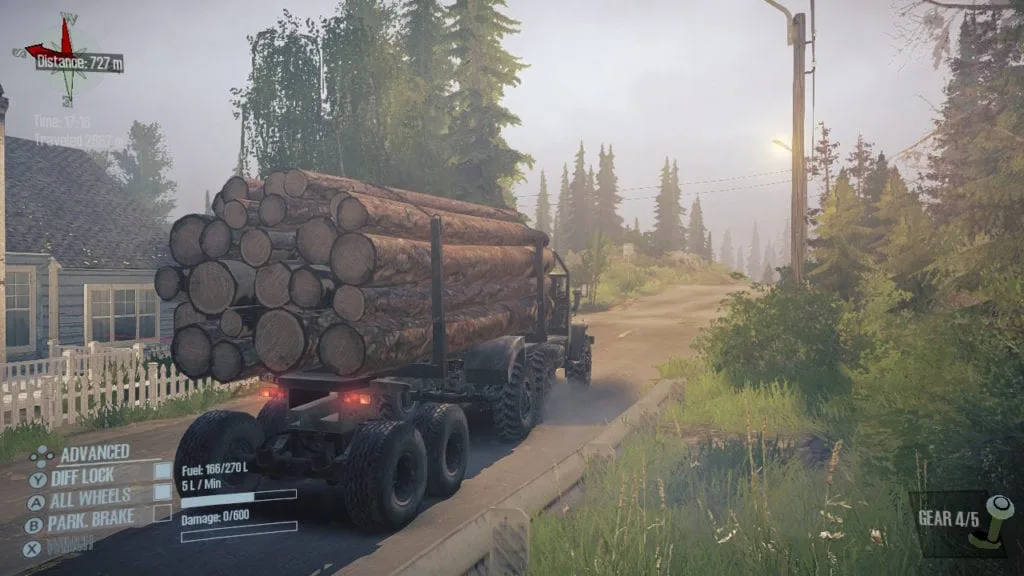
Conquer MudRunner's rugged terrain. Our map overview details best routes, helping you plan efficient traversals through forests, swamps, and muddy plains.
Navigating the rugged and often unforgiving terrain of MudRunner is paramount to success. Each map presents unique challenges, from dense forests and treacherous swamps to muddy plains and rocky inclines. Effective route planning, utilizing the map screen and understanding the strengths and weaknesses of different paths, is essential for efficient traversal and mission completion.
The Map Screen: Your Primary Planning Tool
The map screen is your lifeline in MudRunner. It provides a bird's-eye view of the environment, revealing explored areas, Watchpoints, objectives, and potential hazards. Crucially, the map screen enables you to plot a singular course for your current vehicle. This feature allows you to visualize your intended path before committing to the drive, helping you avoid dead ends, impassable terrain, and unnecessary detours.
Key Map Features to Utilize:
- Watchpoints: As you discover Watchpoints, they reveal sections of the map and highlight important locations like lumber mills, log drop-off points, fuel stations, and workshops. Prioritize reaching these early in your expeditions.
- Terrain Indicators: Pay close attention to the visual cues on the map that indicate different terrain types. Darker areas often sify deeper mud or water, while lighter patches might represent firmer ground or roads.
- Objective Markers: Clearly marked objectives will guide your primary goals, but don't neglect secondary routes that might offer shortcuts or access to resources.
- Fuel Stations & Workshops: Always be aware of your fuel levels and the proximity of fuel stations. Workshops are vital for repairs and vehicle upgrades. Planning routes that incorporate these stops can prevent mission failure.
Developing Best Routes:
The "best" route is highly situational and depends on your vehicle, its loadout, and the specific objective. However, some general principles apply:
- Scout Ahead: Before committing a heavy-duty truck to a difficult path, use a scout vehicle to explore potential routes. Scouts are more agile and can often identify safer, albeit longer, paths.
- Prioritize Firm Ground: Whenever possible, stick to roads or areas that appear less muddy on the map. Even a slightly longer route on firm ground is often faster than a direct path through deep mud.
- Winch Points are Your Friends: Identify potential winch anchor points (trees, rocks) along your planned route, especially before challenging sections like inclines or water crossings.
- Consider Load Weight: A fully loaded truck will struggle more in difficult terrain than an empty one. Factor this into your route planning. A lighter load might allow you to take a more direct, but challenging, path.
- Water Crossings: Scout water depths carefully. Shallow crossings are preferable. If a deeper crossing is unavoidable, identify the shallowest point and ensure you have sufficient momentum and potentially a winch anchor on the other side.
- Hill Climbs: When planning to ascend steep hills, look for the gentlest gradient. Sometimes a zig-zagging path is more effective than a direct ascent.
By meticulously using the map screen and applying these route-planning strategies, you'll significantly improve your efficiency and reduce the frustration of getting stuck in MudRunner's challenging environments.
100% Human-Written. AI Fact-Checked. Community Verified. Learn how AntMag verifies content