
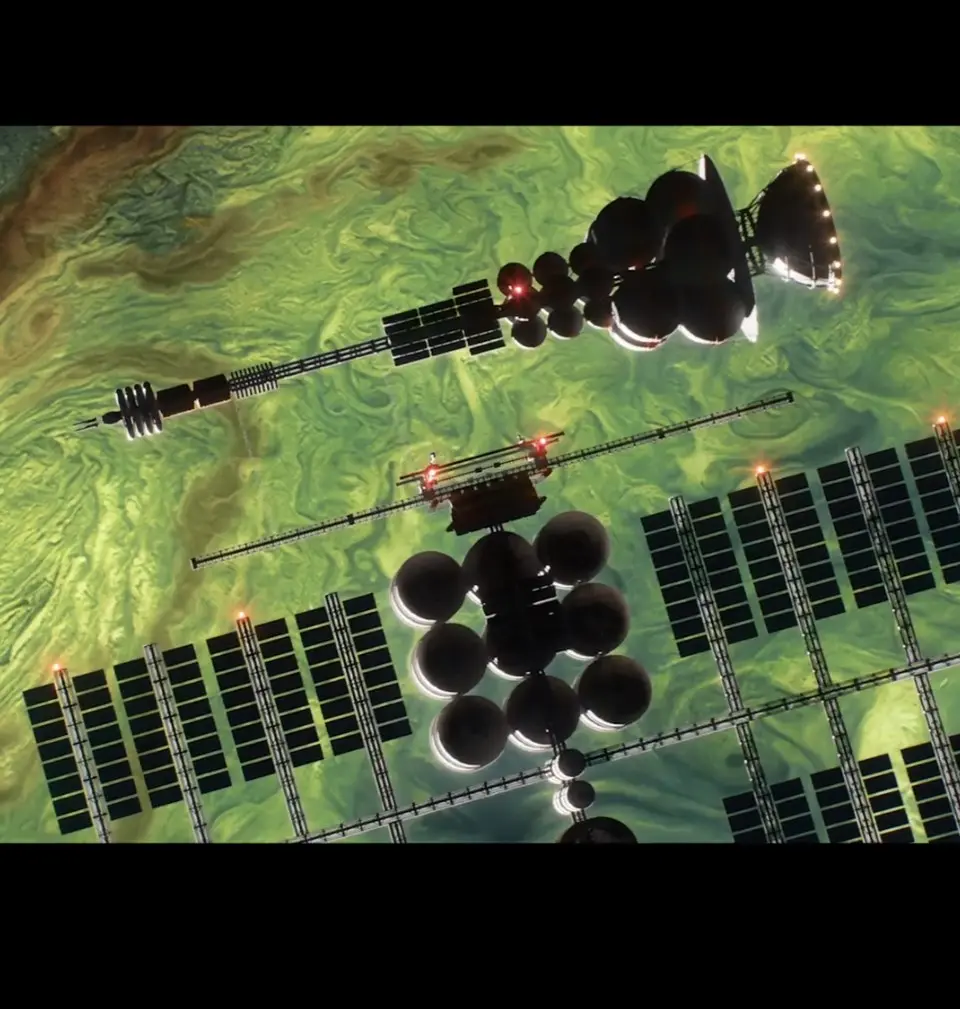
Learn the essential techniques for aerobraking and aerocapture in Kerbal Space Program 2. Master atmospheric entry to save fuel and achieve stable orbits around celestial bodies.
Aerobraking and aerocapture are advanced orbital maneuvers that utilize a celestial body's atmosphere to reduce a spacecraft's velocity, allowing for a more fuel-efficient capture into orbit. This guide will cover the principles and practical application of these techniques in Kerbal Space Program 2.
Walkthrough
- 1Plan your approach: Determine the target body's atmosphere and your desired final orbit.
- 2Initiate aerobraking: Aim for an periapsis that will intersect the upper layers of the atmosphere.
- 3Manage heat: Monitor your spacecraft's heat levels. Use heat shields and radiators if necessary.
- 4Adjust periapsis: Make small adjustments to your periapsis to fine-tune the atmospheric interaction and orbital decay.
- 5Achieve capture: Once your apoapsis is sufficiently lowered, perform a small burn to circularize your orbit.
Tips
- Start with bodies with thinner atmospheres (like Duna) to practice.
- Use the maneuver planner to predict the effects of atmospheric drag.
- Ensure your spacecraft has adequate heat shielding and thermal control.
- Be patient; aerobraking can take multiple orbits.
- Consider the atmospheric density and composition of different celestial bodies.
100% Human-Written. AI Fact-Checked. Community Verified. Learn how AntMag verifies content