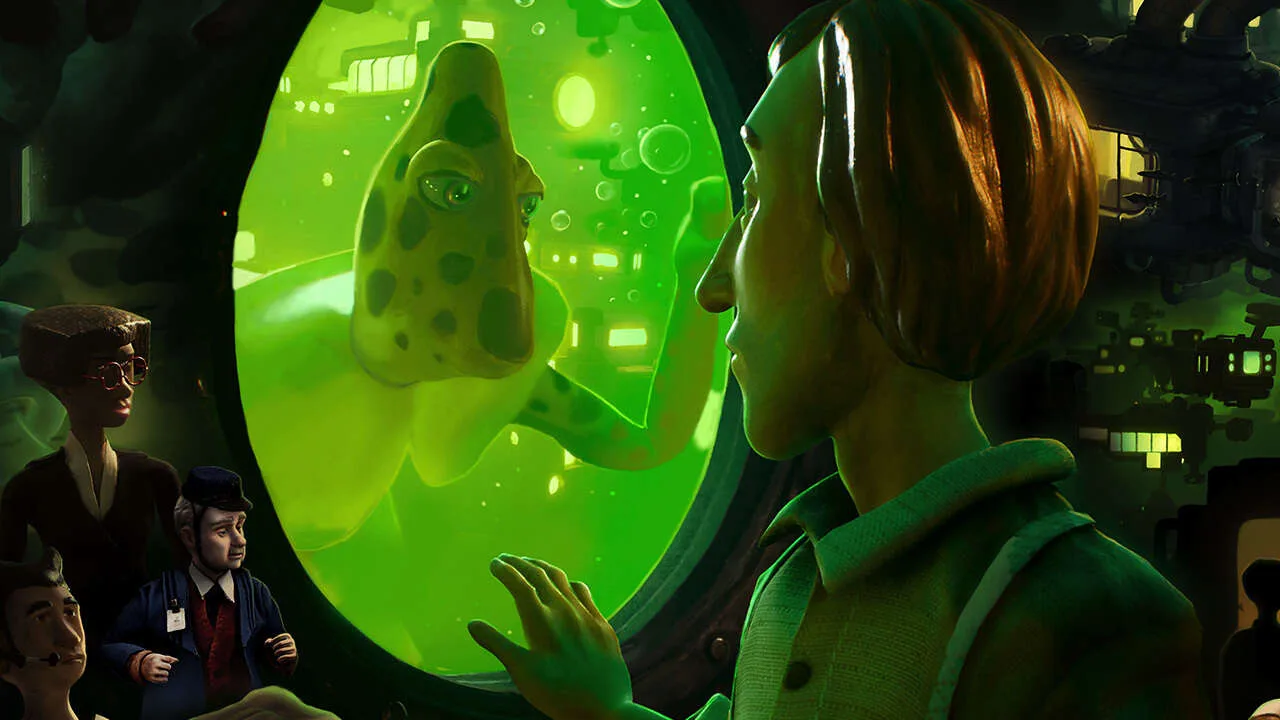

Master Harold Halibut's core mechanics including exploration and dialogue. Learn how these elements shape your journey on the underwater city of Mare Tenebris.
Harold Halibut is a narrative-driven adventure game with a unique focus on exploration, dialogue, and light puzzle-solving. While there's no combat, mastering its core mechanics will ensure you experience the full depth of its charming world and compelling story.
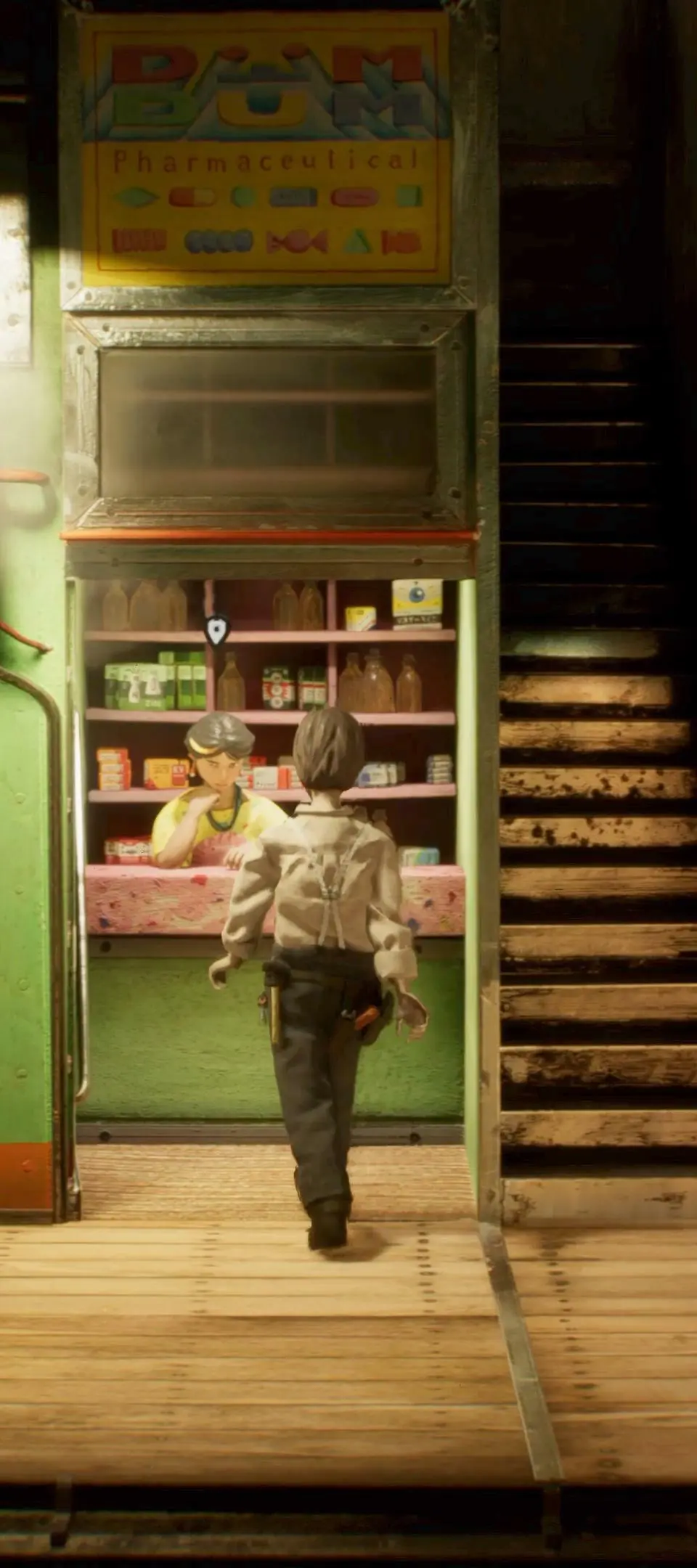
Core Gameplay Loop
The primary loop revolves around:
- Exploration: Navigating the detailed environments of the Mare Lutetiae and its surrounding areas.
- Dialogue: Engaging in conversations with the diverse cast of characters to uncover plot points, learn about their lives, and receive objectives.
- Interaction: Using objects and the environment to solve simple puzzles and progress the narrative.
Inventory and Item Management
Harold's inventory is straightforward. You'll collect various items throughout your journey, which are crucial for completing tasks and progressing quests. Pay close attention to item descriptions, as they often contain clues.
- Acquiring Items: Items are typically found by interacting with objects in the environment, receiving them from NPCs, or purchasing them from vendors.
- Using Items: Items are used either automatically when interacting with a specific object or person, or manually from your inventory when prompted by a quest objective.
- Key Items: Certain items are marked as "Key Items" and are essential for story progression. These cannot be discarded.
Example: The Missing Wrench
Early in the game, you might need to find a Wrench to repair a piece of equipment. You'll likely find this item in a workshop or a storage area. Once acquired, the game will often prompt you to use it automatically when you approach the broken machinery.
Dialogue and Choices
Conversations are central to Harold Halibut. While there aren't branching dialogue trees that drastically alter the story's outcome, your choices in dialogue can affect:
- Character Relationships: How certain characters perceive Harold.
- Minor Quest Variations: Small detours or alternative ways to approach a task.
- Lore and World-Building: Unlocking deeper insights into the game's universe and its inhabitants.
Strategy: Always engage in conversations. Listen carefully to what characters say, as they often provide hints for puzzles or point you towards your next objective. Don't be afraid to revisit characters to see if new dialogue options have opened up.
Environmental Puzzles
Puzzles in Harold Halibut are generally light and integrated into the environment. They often involve finding the correct item, interacting with objects in a specific sequence, or understanding a character's needs.
- Observation is Key: Carefully examine your surroundings. Look for interactive elements, unusual objects, or areas that seem out of place.
- Item Combination: Sometimes, you might need to combine items in your inventory, though this is less common than simply finding the right item for the right situation.
- NPC Assistance: Characters can often provide clues or even directly assist you with puzzles if you speak to them at the right time.
Example: Powering a Device
You might encounter a device that requires power. This could involve finding a Fuse from a supply closet, or perhaps rerouting a connection by interacting with a junction box. The game will usually guide you towards the necessary components or individuals who can help.
Navigation and Exploration
Harold Halibut features a semi-open world. You'll be able to explore various districts of the Mare Lutetiae and beyond.
- Map: While there isn't a traditional in-game map, the environments are designed to be navigable. Pay attention to landmarks and the general layout of areas.
- Fast Travel: As you progress, certain transportation methods might become available, allowing for quicker traversal between key locations. Keep an eye out for these opportunities.
- Objective Markers: The game will often subtly guide you towards your current objective through visual cues or dialogue.
Strategy: Take your time exploring. Many of the game's joys come from discovering hidden details and interacting with the environment. Don't rush through areas; you might miss important items or dialogue.
100% Human-Written. AI Fact-Checked. Community Verified. Learn how AntMag verifies content