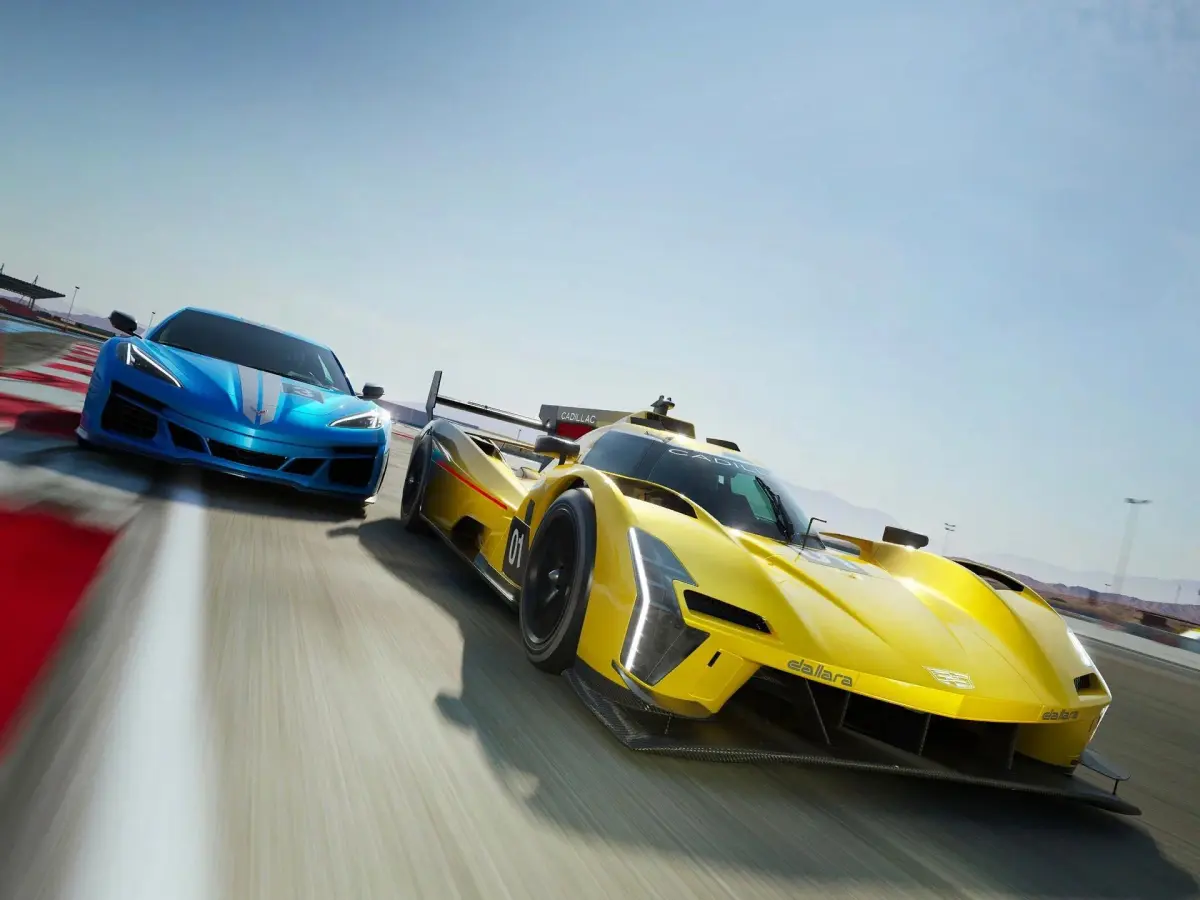
Discover the history and vehicles of Peugeot in the Forza Motorsport series. From rally legends to Le Mans prototypes, explore their racing legacy.
Alright, let's talk about Peugeot in the Forza games. These French cars have a seriously cool racing pedigree, and you'll find them across most of the main titles, with the exception of Forza Horizon 2. They even showed up in Forza Motorsport 6: Apex and are slated for Forza Horizon 6. Peugeot's story in racing is pretty wild. They were making cars way back in 1882, but their real racing chops started showing early on. Think second place in the 1894 Paris-to-Rouen endurance run and a win in the 1895 Paris-to-Bordeaux race. They even got into designing small, efficient cars early on, like the 'Bébé Peugeot,' which was basically one of the first 'mini' cars. But where they really made a name for themselves was with their small-displacement engines. These things were powerful enough to turn some Peugeots into real giant-killers. The Peugeot that absolutely dominated at Indianapolis in 1913, 1916, and 1919? That was thanks to a revolutionary four-cylinder DOHC engine with four valves per cylinder. In an era where other race cars were chugging along with massive 10-liter engines, this 3-liter powerhouse was a game-changer, influencing engines like the Miller and Offenhauser that became Indy legends. Fast forward a bit, and you have the Peugeot 905 Le Mans prototype taking the win at Le Mans in 1992 and 1993. And let's not forget their rally success. The 205 T16 Group B rally car was a World Rally Championship winner in 1985. Then, a special AWD version of the 206 took home two World Rally driver championships and three Manufacturer championships in a row from 2000-2002. Many future rally stars got their start in Peugeot 106s and 206s. It's pretty neat that Peugeot is one of the few manufacturers with racing victories spanning three different centuries! Here's a look at some of the production Peugeots you might find in the games: | Image | Year | Name | Drive | Engine | Power | Torque | Weight | Front/Rear | |---|---|---|---|---|---|---|---|---| | [ | 203 ft⋅lb
(275 Nm) | 3113 lb
(1412 kg) | 64 % / 36 % | | [ | 70 ft⋅lb
(95 Nm) | 1742 lb
(790 kg) | 43 % / 57 % | | [ | 203 ft⋅lb
(275 Nm) | 2875 lb
(1304 kg) | 62 % / 38 % | | [ | 177 ft⋅lb
(240 Nm) | 2921 lb
(1325 kg) | 64 % / 36 % | | [ | 149 ft⋅lb
(202 Nm) | 2425 lb
(1100 kg) | 64 % / 36 % | | [ | 152 ft⋅lb
(206 Nm) | 2390 lb
(1084 kg) | 64 % / 36 % | | [ | 87 ft⋅lb
(118 Nm) | 1742 lb
(790 kg) | 65 % / 35 % | | [ | 188 ft⋅lb
(255 Nm) | 2524 lb
(1145 kg) | 45 % / 55 % | Keep an eye out for these – they can be surprisingly potent!
100% Human-Written. AI Fact-Checked. Community Verified. Learn how AntMag verifies content