
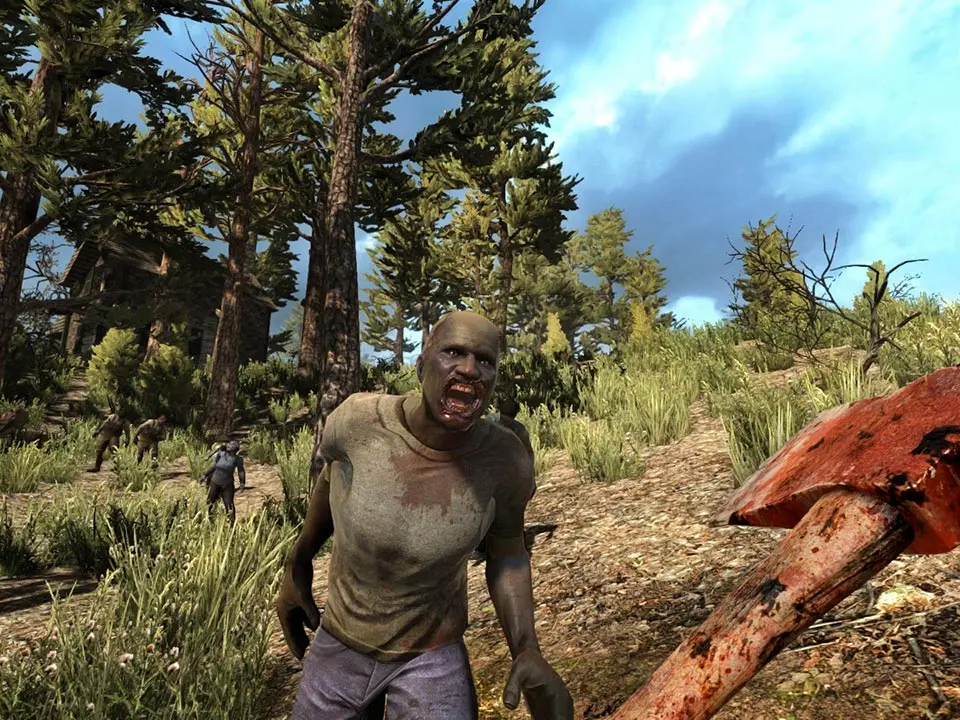
Strategies and tips for maximizing your interactions with Traders in 7 Days to Die for optimal profit and gear.
Mastering your interactions with traders is paramount for survival and progression in 7 Days to Die. These resilient merchants offer a lifeline in the unforgiving Navezgane wilderness, providing essential supplies, rare schematics, and a much-needed outlet for your scavenged goods. Understanding their mechanics, optimizing your bartering skills, and knowing what to prioritize can significantly accelerate your base development and character power.
Trader Reset Mechanics and Planning
Each trader in 7 Days to Die operates on a strict schedule. Their inventory and available quests reset every 3 in-game days. This predictable cycle is a cornerstone of effective trading. Savvy survivors plan their scavenging runs and base activities around these resets, ensuring they have a fresh stock of goods to sell and new opportunities for questing.
- Daily Planning: Keep track of the in-game clock and the last time you visited a trader. Aim to visit on the day their inventory refreshes to get first pick of new items and quest options.
- Route Optimization: If you have multiple traders within a reasonable travel distance, plan a route that allows you to visit them all efficiently after a reset. This maximizes your chances of finding rare items or high-paying quests.
- Quest Stacking: Accept quests from multiple traders before a reset, but don't complete them immediately. Once the reset occurs, you can turn in completed quests for Dukes and rewards, then immediately pick up new ones, effectively doubling your questing potential within a short timeframe.
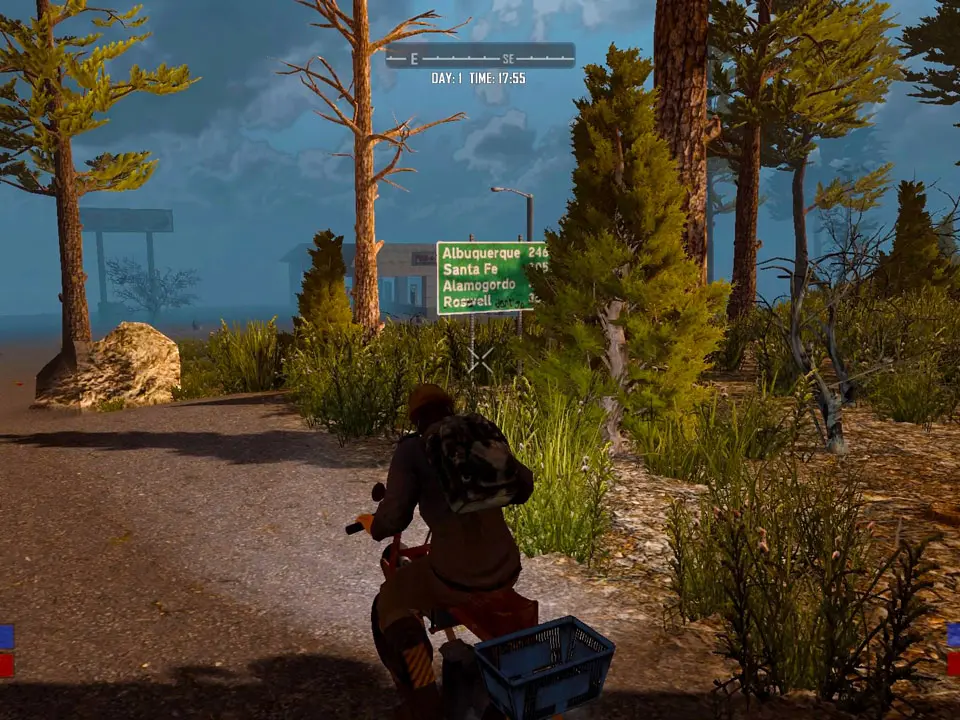
Maximizing Your Bartering Power
Your ability to buy low and sell high is directly tied to your Better Barter perk. Investing skill points into this attribute is one of the most impactful decisions you can make for your economic prosperity.
- Better Barter Perk: This perk directly reduces buying prices and increases selling prices. At higher ranks, the savings and profits are substantial, making every Duke count. Prioritize leveling this perk early, especially if you find yourself frequently trading.
- Charisma Attribute: Better Barter falls under the Charisma attribute. Increasing your Charisma will not only unlock higher ranks of Better Barter but also other useful perks like Daring Adventurer (for quest rewards) and The Digger (for treasure hunt rewards).
- Barter Skill Magazines: Keep an eye out for the "Barter" magazine series. Each volume read provides a permanent bonus to your buying and selling prices, stacking with your Better Barter perk. These are invaluable for maximizing profits.
Selling Strategy: Profitable Items and Crafting for Trade
Knowing what to offload to traders is crucial for maintaining a healthy Duke balance. Focus on items that are either abundant, have a high base value, or are not essential for your immediate survival or crafting needs. Always sell items in bulk when possible; while individual item prices are fixed, selling a large quantity of a high-value item after investing in Better Barter can net you significant Dukes.
High-Value Scavenged Items to Sell
- Diamonds: These rare gems are purely for selling and fetch a very high price. Always keep an eye out for them in safes, treasure chests, or mining.
- Gold and Silver: While useful for crafting certain high-tier items later, early on, excess gold and silver nuggets or bars are a fantastic source of Dukes.
- Unwanted Schematics/Recipes: If you already know a schematic, any duplicates you find are prime candidates for selling. Their value can vary, but some rare schematics fetch a good price.
- Excess Tools and Weapons: Early game, you'll find many low-tier tools and weapons. Keep one or two good ones, then sell the rest. Even damaged items retain some value. Quality 1-3 tools and weapons are often not worth repairing but sell for a decent amount.
- Armor Parts: Similar to tools, excess armor pieces, especially lower quality ones, are excellent for selling.
- Pharmaceuticals (Excess): While essential for healing, once you have a good stock of first aid kits and bandages, excess painkillers, antibiotics, or even basic health kits can be sold.
- Scrap Electronics: While components like wiring and electrical parts are useful, excess scrap electronics can be sold for a decent amount.
- Gas Cans: If you have a reliable source of oil shale and a workbench for crafting gasoline, excess gas cans found during scavenging can be sold.
Crafting for Profit
Once you have a reliable supply of resources and a good crafting station, certain items can be crafted specifically for sale to traders. This strategy becomes more viable with higher levels in relevant crafting skills and the Better Barter perk.
- Steel Tools/Weapons: If you have an abundance of steel and the necessary schematics, crafting quality 5 or 6 steel tools (e.g., Steel Pickaxe, Steel Axe) or weapons (e.g., Steel Knuckles, Machete) can be highly profitable. These require significant investment but yield high returns.
- Advanced Ammunition: Crafting specialized ammunition like .44 Magnum rounds, Shotgun Slugs, or Explosive Bolts can be profitable if you have a surplus of gunpowder and raw materials, and a high-level crafting skill.
- Medical Supplies: With a Chemist Station and sufficient resources, crafting First Aid Kits or even First Aid Bandages can be a steady source of income, especially if you have a high intellect for faster crafting.
- Explosives: Dynamite and Pipe Bombs, while resource-intensive, sell for a good price. This is often a late-game strategy.
- Vehicle Parts: If you have the schematics and materials, crafting engines, batteries, or other vehicle components can be very lucrative, as these are often in high demand by other survivors (represented by the trader's willingness to buy them).
Essential Items to Prioritize Buying
Traders often stock items that are difficult or impossible to craft early on, or that provide significant quality-of-life improvements. Prioritize these purchases to enhance your survival and progression.
- Rare Schematics:
- Advanced Forging: Essential for crafting higher-tier tools, weapons, and components.
- Steel Tools/Weapons: Unlocks the ability to craft superior equipment.
- Chemist Station: Allows you to craft advanced medical supplies and explosives.
- Cement Mixer: Crucial for mass-producing concrete mix for strong base defenses.
- Engine/Battery Schematics: If you're struggling to find these for vehicles.
- High-Tier Mods:
- Impact Driver Mod: Significantly increases block damage for tools like augers and pickaxes.
- Weighted Head Mod: Boosts melee weapon damage.
- Rad Remover Mod: Essential for exploring irradiated zones without constant radiation sickness.
- Magazine Extender Mod: Increases ammo capacity for firearms.
- Silencer Mod: Reduces noise, making stealth approaches more viable.
- Burning Shaft Mod: Adds fire damage to melee weapons.
- High-Quality Tools/Weapons: If you find a quality 5 or 6 steel tool (e.g., steel pickaxe, steel axe) or a high-tier firearm (e.g., AK-47, M60) that you can't craft yet, it's often a worthwhile investment.
- Vehicle Parts: Engines, batteries, chassis, and handlebars are often the bottleneck for crafting your first vehicle. Buy them if available and you have the Dukes.
- Specialized Ammunition: If you're running low on a specific ammo type for your preferred weapon and can't craft it efficiently yet (e.g., .44 Magnum rounds, shotgun slugs).
- Medical Supplies: While you can craft some, buying First Aid Kits or Antibiotics can be life-saving in emergencies.
- Skill Magazines: Traders sometimes sell skill magazines that can instantly grant you a crafting recipe or perk point. Always check for these.
Advanced Trader Tactics
Beyond basic buying and selling, there are several advanced tactics you can employ to further leverage traders.
Quest Prioritization and Rewards
Traders offer various quests, from fetch quests to clear-and-restore missions. These are excellent sources of Dukes, experience, and valuable rewards (items, schematics, skill magazines).
- Tier Progression: Always aim to complete quests to increase your Trader Tier. Higher tier quests (Tier 3, 4, 5) offer significantly better Duke payouts, higher quality item rewards (e.g., quality 5-6 tools, rare weapons), and a greater chance of finding valuable schematics or skill magazines.
- Prioritize High Duke Payouts: Especially early on, focus on quests that offer the highest Duke rewards to quickly build your capital. This allows you to invest in essential perks or items.
- Target Specific Item Rewards: Before accepting a quest, check the potential item rewards. If you're hunting for a specific schematic (like Advanced Forging or a Chemist Station), a rare tool (e.g., a quality 6 Steel Pickaxe), or a specific weapon mod, prioritize quests that list these as possible rewards.
- Preferred Quest Types: Identify which quest types you can complete most efficiently. For example, some players prefer "Clear" quests for combat experience and loot, while others prefer "Fetch" quests for quick Dukes and minimal risk. "Buried Supplies" quests are great for early game experience and loot, but can be time-consuming.
- Reputation Management: Completing quests for a trader increases your reputation with them. A higher reputation can sometimes lead to better quest rewards or a wider selection of items.
The Secret Stash
Each trader has a "Secret Stash" – a hidden inventory of higher-tier items, schematics, and unique offerings that are not immediately visible. Unlocking and using this stash is crucial for accessing the best gear.
- Unlocking the Secret Stash: The Secret Stash becomes available as your Trader Tier increases. The higher your tier with a specific trader, the more items will appear in their Secret Stash. You don't "unlock" it with a key; it simply expands and reveals more valuable items as your relationship with the trader grows.
- using the Stash: Always check the Secret Stash tab when visiting a trader, especially after increasing your tier. This is where you'll find rare quality 6 items, advanced schematics, and sometimes unique weapons or armor that aren't available in their regular inventory.
- Game Stage Impact: The quality and variety of items in the Secret Stash are also influenced by your current Game Stage. A higher Game Stage means the Secret Stash will offer even better and more advanced gear.
Impact of Game Stage on Traders
Your Game Stage (GS) significantly influences the traders' offerings and quest difficulty/rewards. As your GS increases:
- Trader Inventory: Traders will begin to stock higher quality tools, weapons, armor, and more advanced schematics. You'll see more quality 5 and 6 items, and a wider array of late-game components.
- Quest Difficulty: Quests will become progressively more challenging. You'll encounter tougher zombies, more complex POIs, and larger hordes during clear quests.
- Quest Rewards: Commensurate with the increased difficulty, quest rewards will also improve. Duke payouts will be higher, and the chances of receiving rare schematics, high-quality items, and valuable skill magazines will increase.
- Secret Stash Quality: As mentioned, the Secret Stash directly benefits from a higher Game Stage, offering the absolute best gear available.
Other Advanced Tips
- Trader Protection: Traders are neutral NPCs, but their compounds are not immune to zombie attacks, especially during horde nights if your base is nearby. Consider building basic defenses around your preferred trader's compound to ensure their survival and continued business.
- Emergency Resupply: Traders are your last resort for essential items during a crisis. If you're out of ammo, medical supplies, or a crucial crafting component, a trader visit can turn the tide. Always keep some Dukes on hand for emergencies.
By integrating these strategies into your gameplay, you'll transform traders from simple vendors into powerful allies, ensuring your long-term survival and dominance in the harsh world of 7 Days to Die.
100% Human-Written. AI Fact-Checked. Community Verified. Learn how AntMag verifies content