
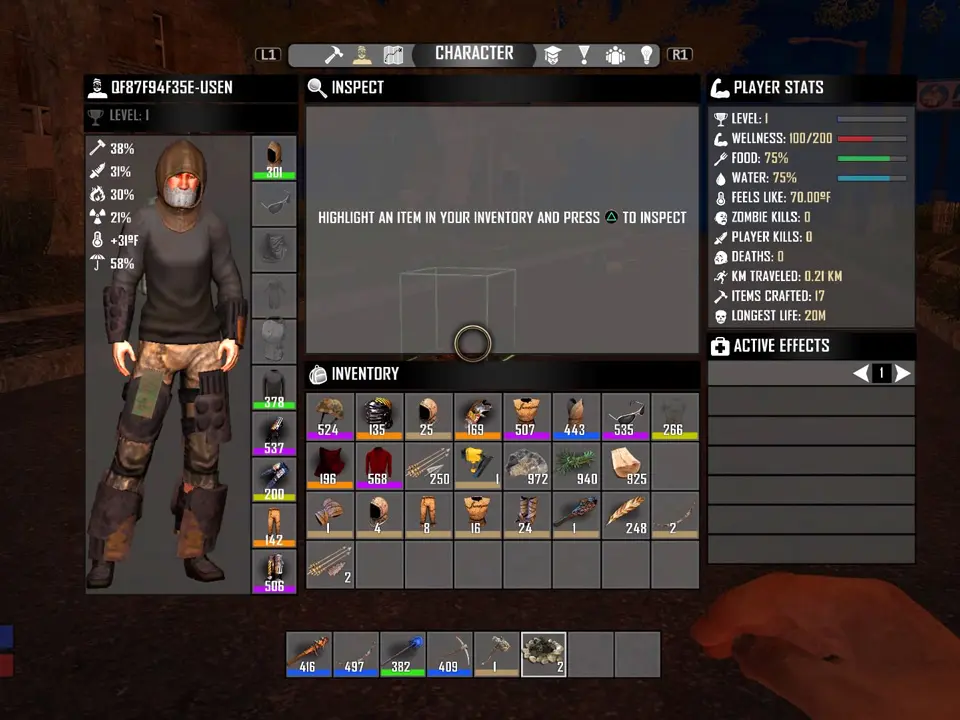
Enhance your gear in 7 Days to Die with powerful Mods and Schematics. Craft advanced items and gain an edge against zombie hordes.
In the unforgiving world of 7 Days to Die, survival hinges not just on raw skill, but on the quality and customization of your gear. This is where Mods and Schematics become indispensable. These two systems allow you to significantly enhance your weapons, tools, and armor, and unlock the ability to craft advanced items, giving you a crucial edge against the zombie hordes and environmental threats.
Understanding Mods: Customizing Your Arsenal
Mods are attachments that can be applied to weapons, tools, and armor to grant them special bonuses or alter their functionality. Each piece of gear has a limited number of mod slots, typically ranging from 1 to 4, depending on the item's quality and type. Applying the right mods can transform a basic item into a formidable piece of equipment.
Types of Mods and Their Effects:
Mods are categorized by the type of gear they affect:
- Weapon Mods: These enhance combat effectiveness.
- Muzzle Brake: Reduces weapon spread and recoil, improving accuracy. Essential for firearms.
- Magazine Extender: Increases magazine capacity, allowing for more shots before reloading.
- Foregrip: Further reduces recoil, particularly useful for automatic weapons.
- Scope (e.g., 2x Scope, 4x Scope): Provides zoom for increased precision at range.
- Rad Remover: A critical mod for melee weapons, tools, and even some firearms, it removes radiation from irradiated zombies upon hit, preventing you from accumulating radiation sickness.
- Weighted Head: Increases melee weapon damage and block damage.
- Burning Shaft: Adds a chance to ignite enemies with melee attacks.
- Crippling Leg: Adds a chance to cripple enemy legs, slowing them down.
- Tool Mods: Improve resource gathering and utility.
- Structural Brace: Increases tool durability.
- Ergonomic Grip: Reduces stamina consumption when using the tool.
- Diamond Tip: Increases block damage for mining tools (pickaxes, augers).
- Iron Breaker: Specifically increases block damage against metallic blocks.
- Wood Splitter: Specifically increases block damage against wooden blocks.
- Rad Remover: Similar to the weapon mod, useful for tools that interact with irradiated blocks or zombies.
- Armor Mods: Enhance defensive capabilities and utility.
- Storage Mod: A highly sought-after mod that adds extra inventory slots to armor pieces (chest, legs). Crucial for increasing carrying capacity.
- Insulated Liner: Provides increased hypothermia resistance.
- Cooling Mesh: Provides increased hyperthermia resistance.
- Padded Mod: Increases overall armor rating.
- Impact Bracing: Reduces incoming damage from falls or blunt attacks.
- Customized Fittings: Reduces stamina drain from movement.
Acquiring and Crafting Mods:
Mods can be acquired through several methods:
- Looting: Mods frequently drop from zombie corpses, loot containers (safes, crates, toolboxes), and are often found in higher-tier POIs (Points of Interest).
- Quest Rewards: Completing quests for Traders sometimes yields mods as rewards.
- Traders: Traders often sell a rotating stock of mods, though prices can be steep for rare ones.
- Crafting: Many mods can be crafted at a Workbench. Crafting mods requires specific materials (e.g., forged iron, mechanical parts, electrical parts) and often necessitates unlocking relevant perks. For example, crafting advanced weapon mods might require ranks in Advanced Engineering or Grease Monkey, while armor mods might tie into Tailoring. Always check the crafting recipe for specific requirements.
Applying and Removing Mods:
To apply a mod, simply drag it from your inventory onto an item with an available mod slot. Mods can be removed from an item by right-clicking the item in your inventory and selecting the "Remove Mod" option. Removed mods are returned to your inventory and can be reused.
Understanding Schematics: Unlocking Crafting Potential
Schematics are blueprints or recipes that, once read, permanently unlock the ability to craft a specific item, block, or vehicle. Without the corresponding schematic, you cannot craft the item, even if you have all the necessary materials and perks.
Acquiring Schematics:
Schematics are vital for progression and can be found through:
- Looting: Schematics are common drops from various loot containers, especially bookshelves, filing cabinets, and safes. Higher-tier POIs tend to yield rarer schematics.
- Quest Rewards: Completing quests for Traders is an excellent way to earn specific or rare schematics.
- Traders: Traders always have a selection of schematics for sale, which refreshes periodically. Prioritize buying schematics for essential items you can't find elsewhere.
Essential Schematics to Prioritize:
While all schematics are useful, some are game-changers and should be prioritized:
- Forge Ahead: Unlocks the ability to craft a Forge, a foundational crafting station for metalworking.
- Advanced Engineering: Unlocks various advanced components and crafting stations like the Workbench and Cement Mixer.
- Steel Smithing: Allows you to craft Steel, a crucial late-game material for tools, weapons, and reinforced building.
- Auger/Chainsaw: Unlocks these powerful resource-gathering tools, drastically speeding up mining and woodcutting.
- Minibike/Motorcycle/4x4: Vehicle schematics are paramount for efficient travel and carrying capacity. The Minibike schematic is often the first vehicle you'll aim for.
- Shotgun Messiah/Pistol Pete/The Huntsman: These perk books, when read, unlock crafting recipes for specific weapon types (shotguns, pistols, rifles) and their ammunition.
- Explosives: Schematics for dynamite, pipe bombs, and timed charges are essential for raiding POIs and dealing with large zombie groups.
- Advanced Armor Schematics: Unlocking recipes for military armor, steel armor, or specific heavy armor pieces provides significant defensive boosts.
The Importance of Reading Schematics:
Once you acquire a schematic, you must "read" it by consuming it from your inventory. This action permanently adds the recipe to your crafting menu. Unread schematics take up valuable inventory space, so always read them as soon as possible.
Synergy Between Mods and Schematics:
The true power of these systems lies in their synergy. By reading schematics, you can craft higher-quality weapons, tools, and armor. Then, by finding or crafting powerful mods, you can further enhance these items, tailoring them to your specific playstyle and the challenges you face. For instance, crafting a high-quality steel pickaxe (unlocked via schematics and perks) and then applying a Diamond Tip and Structural Brace mod (found or crafted) creates an incredibly efficient and durable mining tool.
Always keep an eye out for both mods and schematics during your scavenging runs. They are key components to not just surviving, but thriving in the harsh world of 7 Days to Die.
100% Human-Written. AI Fact-Checked. Community Verified. Learn how AntMag verifies content