Master Smite's Jungle role strategy. Learn to pressure lanes, secure buffs, control vision, and set up objective plays for team dominance.
The Jungle role in Smite is arguably the most dynamic and impactful position on the team. As the Jungler, you are the primary source of early-game pressure, responsible for securing buffs, ganking lanes, controlling vision, and setting up objective plays. Typically played by Assassins due to their high burst damage and mobility, a skilled Jungler can dictate the pace of the entire match. This comprehensive guide will equip you with the knowledge to dominate the jungle and carry your team to victory.
I. Early Game Jungle Routes & Buff Management
The first few minutes of a Smite match are crucial for a Jungler. An efficient and safe clear sets you up for early ganks and a gold/XP lead. While routes can vary slightly based on your god and team composition, the following is a standard and highly effective starting sequence:
- Start at Speed Buff (Yellow Buff):
- Location: Near your team's side of the jungle, closest to the Solo lane.
- Action: Begin by attacking the large monster in the Speed Buff camp. Your Solo Laner will typically help you clear this camp quickly.
- Reward: Speed Buff (+10% Movement Speed, +10% Attack Speed). This buff is essential for faster jungle clears and gank rotations.
- Move to Red Buff (Damage Buff):
- Location: Near your team's side of the jungle, closer to the Mid lane.
- Action: After Speed, head directly to Red Buff. Your Mid Laner should meet you here to help clear.
- Reward: Red Buff (+10% Physical Power or +20 Magical Power, +5% Damage to enemies). This buff significantly boosts your damage output, making subsequent clears and early ganks more potent.
- Clear Harpies (Mid Harpies):
- Location: The two small camps located between the Mid lane and the jungle.
- Action: After Red Buff, clear the Harpy camp closest to your side of the map.
- Reward: Gold and XP. These camps are quick to clear and provide valuable early resources.
- Clear Back Harpies (Small Harpies):
- Location: The two small camps located behind the Speed and Red Buffs, closer to your base.
- Action: Clear the Harpy camp on your side of the map.
- Reward: Gold and XP.
- Gank Opportunity or Continue Clearing:
- At this point, you've gained a few levels and some gold. Look at the minimap:
- Is a lane pushed up? (e.g., enemy Solo or Mid laner overextended) – This is your prime gank opportunity.
- Are all lanes safe? – Continue clearing jungle camps (e.g., other Harpies, Scorpions, or even your own Blue Buff if your Solo Laner doesn't need it immediately).
- At this point, you've gained a few levels and some gold. Look at the minimap:
Buff Timers: Understanding buff respawn timers is critical for maintaining jungle control. Speed and Red Buffs respawn approximately 2 minutes after being cleared. Keep track of these timers and prioritize securing them for yourself and your team.
II. Ganking Strategies: When, Where, and How
Ganking is the Jungler's primary way of impacting the map and securing leads for your team. A successful gank can lead to kills, objective control, or simply force enemy players to recall, losing valuable gold and experience.
- When to Gank:
- Overextended Enemies: The most opportune time. Look for enemies pushed far into your team's side of the map, away from their tower.
- Low Health/Mana Enemies: Even if not overextended, an enemy with low resources is an easy target.
- Lane Priority: Gank lanes where your teammate has CC (crowd control) or high burst damage to follow up on your initiation.
- Counter-Ganks: If you see the enemy Jungler on one side of the map, consider ganking the opposite side or moving to counter their gank.
- After Buffs: Your first gank often comes after your initial buff clear, as you'll have a level and item advantage.
- Where to Gank:
- Solo Lane: Often a 1v1 island, making it easier to surprise an enemy. Gank from the jungle entrance behind their tower or through the side camps.
- Mid Lane: High traffic area, but often has the most gank potential due to its central location and proximity to jungle camps. Gank from either side jungle entrance.
- Duo Lane (ADC & Support): A 2v2 lane, making ganks riskier but potentially more rewarding. Coordinate with your Support for CC. Gank from the jungle entrance or even through the lane itself if the enemy is very pushed.
- How to Gank:
- Communication is Key: Ping your intentions (e.g., "Attack Left Lane!") and use VGS commands ("Gank Left!").
- Approach Unseen: Use jungle paths and line of sight blockers to get close to the enemy without being spotted by wards.
- Initiate with CC/Burst: As an Assassin, your job is often to initiate with your primary CC ability or high-damage burst to secure the kill quickly.
- Follow Up: Ensure your laner is ready to follow up on your damage and CC.
- Don't Force It: If a gank looks too risky (enemy has wards, team isn't ready, enemy has escape abilities up), don't commit. A failed gank wastes time and puts you behind.
III. Jungle Control: Warding & Counter-Jungling
Controlling the jungle isn't just about clearing your own camps; it's about denying the enemy Jungler resources and vision.
- Warding for Vision:
- Key Ward Spots:
- Enemy Buffs: Place wards on enemy Speed and Red Buffs to track their Jungler's movements and potentially steal buffs.
- Jungle Entrances: Ward the entrances to lanes from the jungle to spot incoming ganks.
- Objective Pits: Ward Gold Fury and Fire Giant pits to prevent steals and prepare for team fights.
- Choke Points: Key narrow passages in the jungle where enemies are likely to pass.
- Sentry Wards: Purchase Sentry Wards to clear enemy wards, denying them vision and opening up gank paths.
- Ward Placement Timing: Place wards proactively, not reactively. Anticipate where the enemy Jungler will be.
- Key Ward Spots:
- Counter-Jungling:
- Stealing Buffs: If you know the enemy Jungler is on the opposite side of the map, or if you've killed them, consider invading and stealing their buffs. This denies them gold/XP and sets them further behind.
- Clearing Their Camps: Similar to buffs, clearing enemy Harpies or Scorpions when safe can starve them of resources.
- Tracking the Enemy Jungler: Use your wards and minimap awareness to predict where the enemy Jungler will be. If you see them gank Solo, you can safely invade their Duo-side jungle.
- Risk vs. Reward: Counter-jungling is high risk, high reward. Only attempt it if you have vision, know where the enemy team is, and have an escape route.
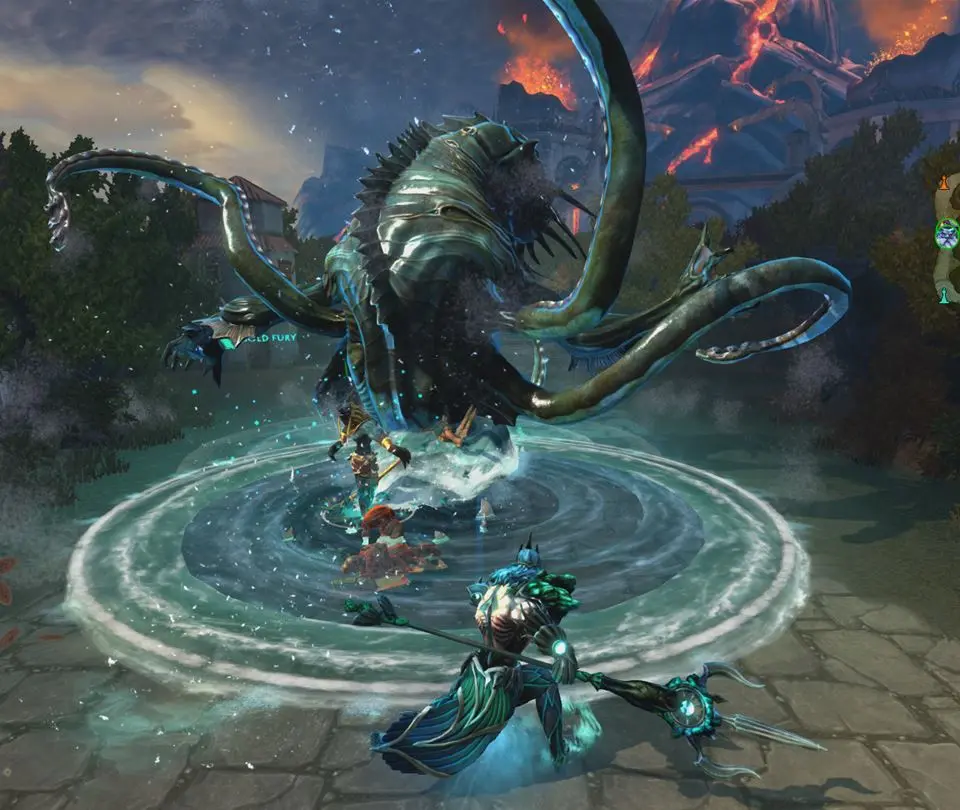
IV. Objective Control: Gold Fury, Fire Giant & Pyromancer
Securing major objectives is often the turning point in a Smite match. As the Jungler, you are often the primary initiator or damage dealer for these objectives.
- Gold Fury:
- Location: On the Duo lane side of the map.
- Reward: Significant global gold for the entire team (typically 300g per player).
- When to Take:
- After winning a team fight and eliminating enemy players.
- When the enemy Jungler is dead or on the opposite side of the map.
- When you have a significant gold lead and want to press your advantage.
- Strategy: Ward the pit and surrounding jungle entrances. Have your ADC and Mid Laner help with damage. Be ready to peel for them if the enemy attempts to contest.
- Pyromancer:
- Location: In the middle of the jungle, near the Mid lane.
- Reward: A powerful global movement speed buff for 90 seconds, and a small amount of gold.
- When to Take: Often taken after Gold Fury or as a way to quickly rotate across the map for ganks or other objectives. It's a safer objective to take than Gold Fury or Fire Giant.
- Strategy: Similar to Gold Fury, but often requires fewer resources. Ward the approaches.
- Fire Giant:
- Location: On the Solo lane side of the map.
- Reward: The strongest buff in the game, granting significant power, health regeneration, and tower damage for 4 minutes.
- When to Take:
- Game-Ending Play: Often taken to push for a decisive victory, as the buff allows for rapid tower and Phoenix destruction.
- After a dominant team fight where multiple enemies are dead.
- When you have a significant lead and can safely commit to the long clear time.
- Strategy: This is the riskiest objective. Ensure deep vision around the pit. Have your entire team present. Be prepared for a full team fight. The Jungler often uses their high damage to quickly burn down the Fire Giant.
V. Common Jungler Gods & Playstyles
While many gods can technically jungle, some excel due to their kit. Here are a few examples:
- Fenrir (Assassin): High early-game damage and strong CC with his Unchained (3) and Brutalize (2). His ultimate, Ragnarok (4), is a powerful gank tool.
- Playstyle: Aggressive early ganker, focuses on snowballing leads.
- Awilix (Assassin): Excellent mobility with Feather Step (1) and Suku (2). Her ultimate, Gravity Surge (4), pulls airborne enemies, making it fantastic for comboing with allies.
- Playstyle: High mobility, relies on precise timing and follow-up. Excels at punishing enemies with jumps or dashes.
- Loki (Assassin): Known for his stealth (Vanish - 1) and high single-target burst damage.
- Playstyle: Focuses on assassinating squishy targets, often split-pushing. Requires careful positioning due to his squishiness.
- Pele (Assassin): Incredible area-of-effect damage and sustain with her Magma Rush (1) and Volcanic Lightning (3). Her ultimate, Erupt (4), is a devastating team fight tool.
- Playstyle: Strong clear, high team fight presence, can carry late game.
VI. Itemization Considerations for Junglers
Jungler item builds are highly dynamic and depend on the god, enemy team composition, and game state. However, some core principles apply:
- Starter Items:
- Bumba's Dagger or Eye of the Jungle: Essential for jungle clear speed and sustain. Upgrade to Bumba's Spear/Hammer or Protector of the Jungle/Seer of the Jungle later.
- Assassin's Blessing (if available in current season): Provides bonus damage to jungle monsters and sustain.
- Early Game Core:
- Boots: Warrior Tabi (Physical Power) or Ninja Tabi (Attack Speed) for physical junglers. Shoes of the Magi or Shoes of Focus for magical junglers.
- Damage/Penetration: Items like Jotunn's Wrath (CDR, Power, Flat Pen), The Crusher (Power, Attack Speed, Passive Damage), or Hydra's Lament (Power, CDR, Passive Damage after ability use) are common.
- Mid to Late Game:
- Situational Damage: Heartseeker (Power, Movement Speed, Passive Damage), Brawler's Beat Stick (Anti-Heal), Malice (Crit), Stone Cutting Sword (Power, Movement Speed, Protections Shred).
- Defensive Options: Sometimes a Jungler needs a defensive item (e.g., Mantle of Discord, Spirit Robe) if they are being focused or need to survive longer in team fights.
- Titan's Bane / Obsidian Shard: Essential for shredding tanky targets and structures in the late game.
VII. Common Pitfalls & How to Avoid Them
- Falling Behind on Farm: Don't spend too much time waiting for gank opportunities. If no gank is available, clear camps.
- Tunnel Vision: Don't focus solely on one lane. Keep an eye on the entire map for opportunities.
- Lack of Vision: Not buying or placing wards leaves you vulnerable to counter-jungling and makes ganking harder.
- Overextending: Don't chase kills too far into enemy territory without vision or backup.
- Ignoring Objectives: Forgetting about Gold Fury, Pyromancer, and Fire Giant can cost your team the game.
- Poor Communication: Not pinging or using VGS can lead to uncoordinated ganks and missed opportunities.
Mastering the jungle requires constant practice, map awareness, and adaptability. By following these strategies and continually refining your play, you'll become a force to be reckoned with on the Smite battlefield.
100% Human-Written. AI Fact-Checked. Community Verified. Learn how AntMag verifies content