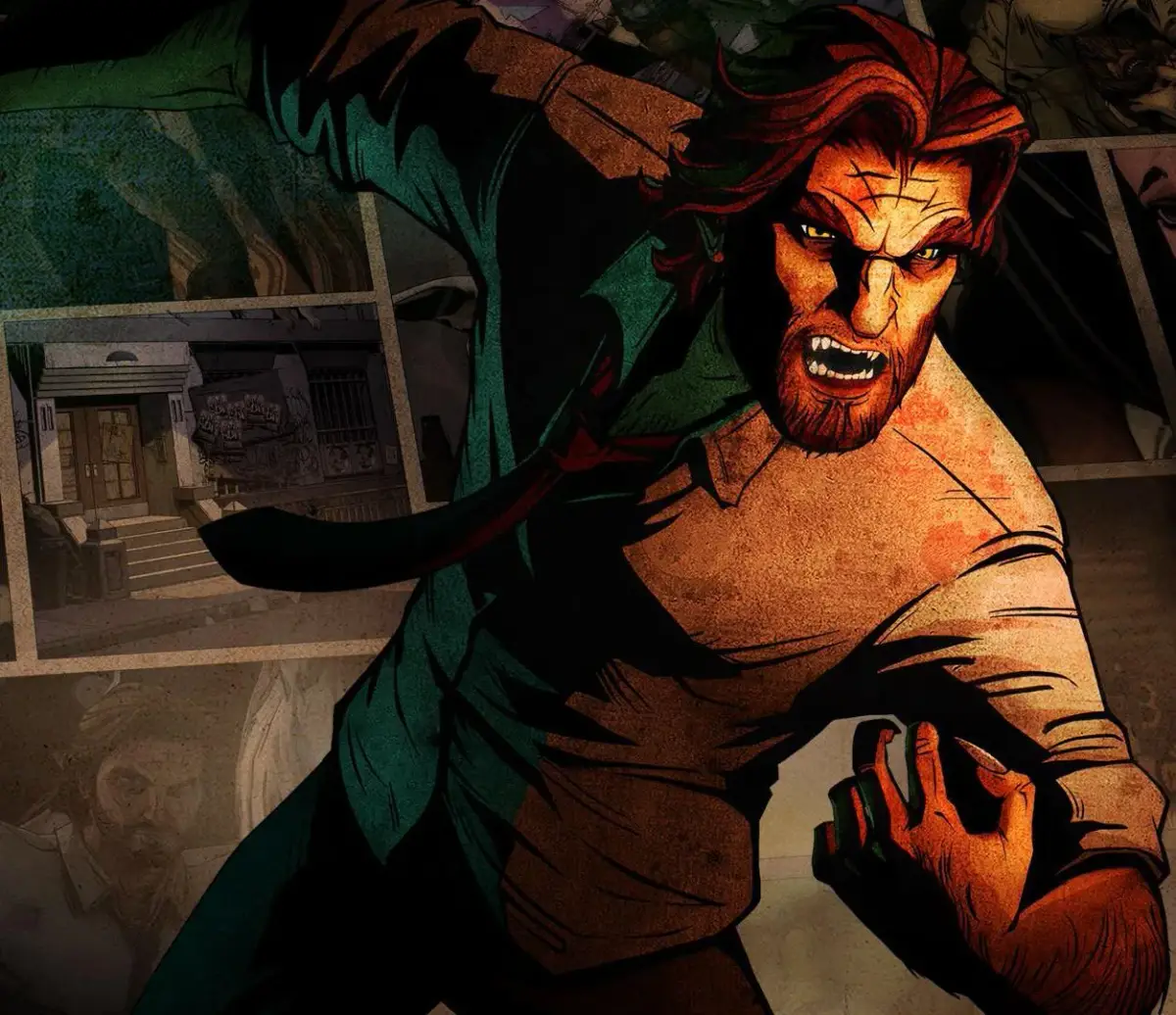
Understand dialogue tree outcomes in The Wolf Among Us. Learn consequences of Bigby's choices in Chapter 1: Faith and beyond on character relationships.
Navigating the complex and morally ambiguous dialogue trees in The Wolf Among Us is crucial, as your choices significantly impact character relationships, immediate plot developments, and even the final confrontations. This section details key dialogue junctures, outlining the immediate and long-term consequences of your responses.
Chapter 1: Faith - The Woodsman's Apartment
- Encountering The Woodsman:
- "You're going to jail." (Aggressive): This choice immediately escalates the physical altercation. The Woodsman will fight back more fiercely, requiring quicker QTEs to subdue him. While effective in the short term, it establishes a more confrontational tone with him, potentially making future interactions (if he survives) more difficult.
- "Calm down, we can talk." (Calm/Diplomatic): Bigby attempts to de-escalate. This can lead to a brief moment of hesitation from The Woodsman, offering a slightly easier QTE sequence. However, he's still likely to fight, just with less initial ferocity. This choice subtly influences how other characters, like Faith, perceive your approach to justice.
- Interrogating Faith (after the fight):
- "Who are you working for?" (Direct/Demanding): Faith will be more resistant to giving information immediately. You'll likely need to press her further or choose subsequent intimidating options to get her to open up. This can strain your initial rapport.
- "Are you okay?" (Empathetic/Concerned): This approach can make Faith slightly more receptive. She might offer a small piece of information or be more willing to talk when pressed later. It establishes a foundation of empathy, which can be beneficial in later episodes when dealing with vulnerable Fables.
Chapter 3: Blood - The Pudding & Pie Bar
This chapter is rife with critical dialogue choices, particularly during the confrontation with the Tweedledee and Tweedledum, and later with Bloody Mary.
Confrontation with Tweedledee & Tweedledum
Your approach here dictates the level of violence and the information you extract. Remember, the goal is to get information about Lily's murder and the Crooked Man.
- Initial Interaction with Tweedledee:
- "Where's the Crooked Man?" (Aggressive/Demanding): Tweedledee will immediately become defensive and hostile. This path often leads directly to a brawl, potentially involving more patrons and requiring more extensive QTEs. While you might get information through force, it can alienate other Fables present.
- "I just want to talk." (Calm/Deceptive): Bigby attempts to appear non-threatening. This might buy you a few extra lines of dialogue before the inevitable fight, potentially allowing you to gather a small clue or observe their reactions. However, the Tweedles are rarely fooled for long.
- After the Brawl - Interrogating Tweedledee:
- "Tell me about the Crooked Man, or I'll rip your arm off." (Threatening): This is a high-risk, high-reward option. It can intimidate Tweedledee into revealing crucial details about the Crooked Man's operations or location. However, it reinforces Bigby's "Big Bad Wolf" reputation and can be viewed negatively by Snow White if she's present.
- "Where did Lily go before she died?" (Focused/Investigative): This approach prioritizes specific information. Tweedledee might be more willing to give a direct answer to this, especially if he perceives it as less threatening than revealing his boss's whereabouts. You might learn about the Crooked Man's "business" or a specific meeting place.
- "You're going to regret this." (Vengeful): This choice primarily serves to establish Bigby's character. It doesn't yield immediate information but reinforces your commitment to justice (or revenge). It can impact future interactions if Tweedledee survives.
Encounter with Bloody Mary
This is a pivotal moment that tests Bigby's resolve and your chosen approach to justice. Mary is a formidable opponent, and your dialogue choices can influence the difficulty of the subsequent fight.
- "Who sent you?" (Direct/Challenging): Mary will mock Bigby and likely escalate the situation immediately. This choice often leads to a more intense and prolonged fight sequence, as Mary is provoked.
- "I'm not afraid of you." (Defiant): Similar to the direct challenge, this option signals Bigby's refusal to back down. It will likely result in a fierce confrontation, but it reinforces Bigby's strength and determination.
- "You don't want to do this." (Warning/Attempt to De-escalate): While unlikely to prevent the fight, this choice can sometimes lead to a brief moment of dialogue where Mary reveals a small piece of information or her motivation before the fight begins. It's a subtle attempt at diplomacy in a very hostile situation.
Chapter 5: Cry Wolf - The Witching Well
The final confrontation with the Crooked Man is the culmination of all your choices. Your dialogue here determines not only his fate but also how the Fabletown community perceives Bigby.
- The Crooked Man's Plea:
- "You're coming with me." (Justice/Lawful): This choice signifies Bigby's commitment to bringing the Crooked Man to justice through the proper channels, as dictated by Ichabod Crane and the Fabletown government. This path leads to a trial at the Business Office. While it upholds the law, some Fables might see it as weak or indecisive, especially those who suffered under the Crooked Man.
- "This ends now." (Vigilante/Direct Action): Bigby takes matters into his own hands. This often leads to a more direct and violent resolution with the Crooked Man, potentially resulting in his death. This choice might be applauded by some Fables seeking immediate retribution but could be condemned by others who believe in due process. This path avoids the formal trial.
- During the Trial (if you chose to bring him in):
- Presenting Evidence (e.g., the Glamour Vial from Faith's apartment, the Bloody Ribbon from Lily's body, or the Tweedle's Testimony if you spared them): Each piece of evidence strengthens your case against the Crooked Man. Presenting compelling evidence sways the crowd and the jury (the other Fables) towards your side. Failing to present enough evidence or choosing weak arguments can make the Fables doubt Bigby's actions.
- "He deserves what's coming to him." (Aggressive Prosecution): This stance reinforces Bigby's belief in the Crooked Man's guilt and his desire for severe punishment. It can resonate with Fables who want justice but might alienate those who believe in rehabilitation or mercy.
- "We need to follow the law." (Principled/Lawful): Bigby emphasizes the importance of Fabletown's rules and due process. This choice appeals to those who value order and governance, but it might seem too lenient to others.
100% Human-Written. AI Fact-Checked. Community Verified. Learn how AntMag verifies content