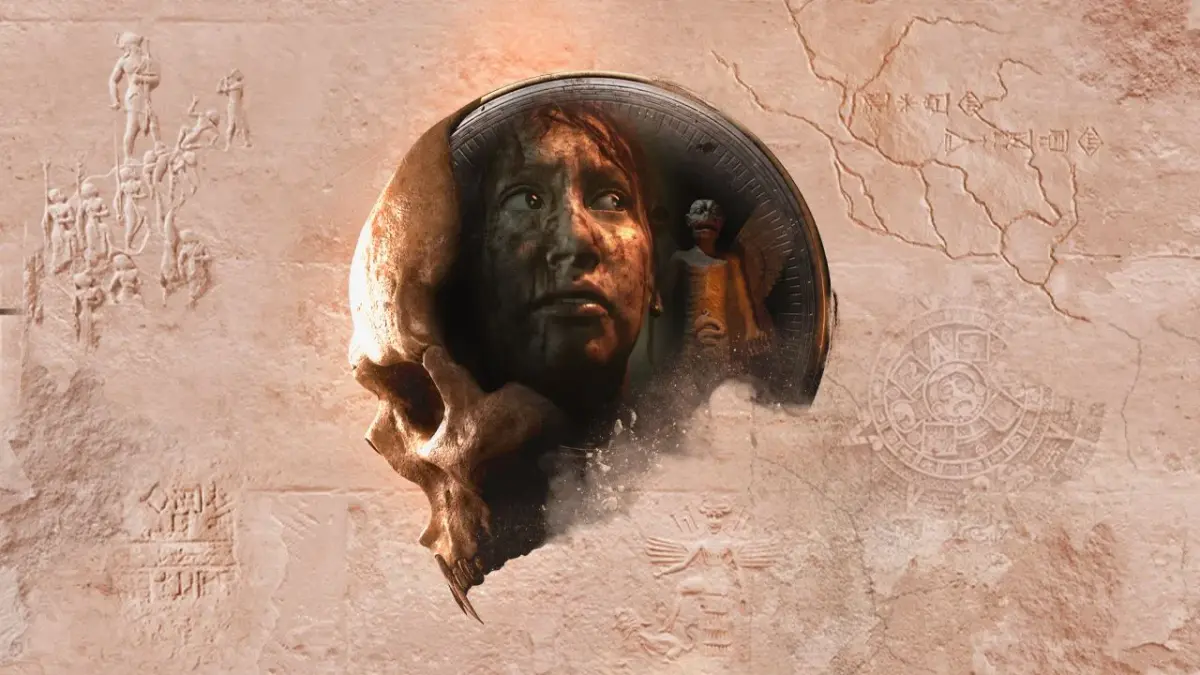
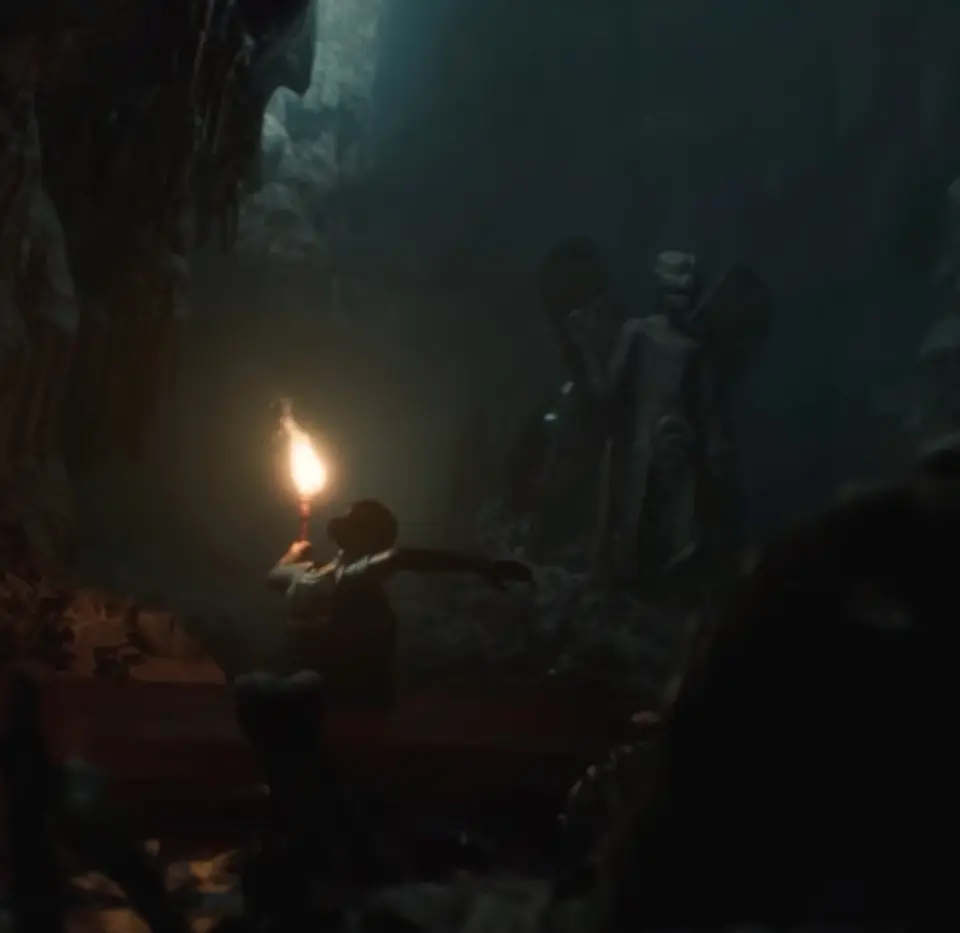
Navigate your horror journey in The Dark Pictures Anthology: House of Ashes. Understand difficulty settings impacting QTE timing and choice consequences.
House of Ashes offers a range of difficulty settings to tailor your experience, from a narrative-focused journey to a brutal test of reflexes and decision-making. Understanding these settings is crucial, as they impact everything from QTE timing to the consequences of your choices. This guide will help you navigate each option and prepare you for the horrors beneath the sands.
Story Mode (Easy)
For players who prioritize the narrative and wish to experience the full story without significant challenge, Story Mode is ideal. This setting is perfect for first-time players or those who prefer a less stressful playthrough.
- QTEs (Quick Time Events): The timing windows for QTEs are significantly extended. You'll have ample time to react to button prompts, making successful execution much easier.
- Combat Sequences: Fewer enemies will appear in combat encounters, and their attack patterns will be more predictable. Your characters will also be more resilient to damage.
- Decision Impact: While your choices still matter, the immediate consequences of "wrong" decisions are often less severe, providing more leeway for error. For instance, failing to secure the Ancient Tablet in the Underground Temple might not immediately lead to a character's death, but could impact a later scene.
- Exploration: Environmental hazards are less punishing. Falling debris in the Chasms might only cause a minor injury instead of a fatal one.
Strategy Tip: Use Story Mode to familiarize yourself with the game's branching paths and character relationships. This is an excellent way to unlock all possible endings and collect all Secrets without the pressure of constant threat.
Standard Mode (Normal)
Standard Mode offers a balanced experience, providing a good mix of narrative immersion and gameplay challenge. This is the recommended setting for most players.
- QTEs: QTE timing windows are moderate. You'll need decent reflexes, but they aren't overly punishing. Missing a few might lead to minor injuries or missed opportunities, such as failing to grab the Carved Idol in the Burial Chamber.
- Combat Sequences: Enemy numbers are standard, and their attack patterns require some attention. Characters can sustain moderate damage before being incapacitated.
- Decision Impact: Choices have noticeable consequences. A poorly chosen dialogue option with Jason could strain his relationship with Nick, affecting their cooperation in the Flooded Caves.
- Exploration: Environmental hazards pose a real threat. Failing to navigate the crumbling ledges in the Sunken City could lead to a character's death.
Strategy Tip: Pay close attention to character dialogue and environmental cues. Many critical decisions are foreshadowed. Consider using the "Don't Press Anything" option during QTEs if you're unsure, as sometimes inaction is the best course.
Challenging Mode (Hard)
For veterans of the horror genre or those seeking a true test of their skills, Challenging Mode significantly ramps up the difficulty. Every decision and action carries greater weight.
- QTEs: QTE timing windows are very tight. Even a slight delay can result in failure, often with severe consequences. Missing the prompt to dodge the creature in the Ancient Tunnels can be instantly fatal.
- Combat Sequences: Enemies are more numerous, aggressive, and deal increased damage. Resource management, such as using the Flare Gun strategically, becomes paramount.
- Decision Impact: Choices are highly impactful. A single misstep in a critical dialogue with Salim could lead to an unrecoverable relationship breakdown, impacting later escape routes.
- Exploration: Environmental hazards are extremely dangerous. Failing to secure a rope in the Deep Chasm will almost certainly result in a character's death.
- Clues and Secrets: While not directly affecting their presence, the increased pressure makes finding and interpreting Secrets like the Prehistoric Spear more difficult, as you're constantly focused on survival.
Strategy Tip: Prioritize character survival above all else. Be prepared to restart chapters if a critical character dies. Learn enemy patterns and QTE sequences through repeated attempts. Communication between characters is often key to survival, so pay close attention to their suggestions.
Curator's Cut (Post-Game Unlock)
The Curator's Cut is not a difficulty setting in the traditional sense, but rather an alternative perspective on the story, unlocked after completing the game once. It offers new scenes and choices from the perspective of different characters, often revealing motivations and events not seen in the theatrical cut.
- New Perspectives: Experience key moments from the viewpoint of characters like Eric or Rachel, offering fresh insights into their struggles and decisions.
- Altered Choices: Some choices available in the Curator's Cut are unique to that playthrough, potentially leading to different outcomes or revealing new Secrets such as the Lost Journal.
- Difficulty: The underlying difficulty (QTE timing, combat) will mirror the setting you chose for your Curator's Cut playthrough (Story, Standard, or Challenging).
Strategy Tip: Play the Curator's Cut on a difficulty you are comfortable with, as the primary goal is to experience the altered narrative. Use it to fill in gaps in your understanding of the story and characters.
100% Human-Written. AI Fact-Checked. Community Verified. Learn how AntMag verifies content