
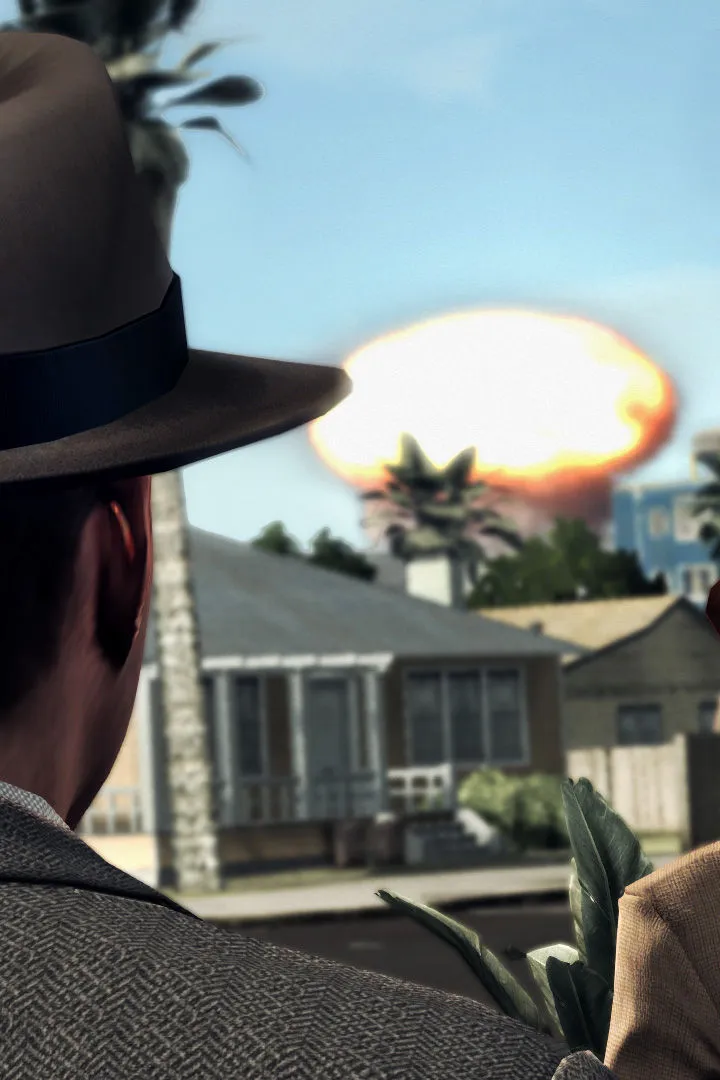
Follow detective Cole Phelps through 1947 Los Angeles in L.A. Noire. This guide maps your career progression, key cases, and investigation steps.
Welcome, detective, to the gritty streets of 1947 Los Angeles. Your journey in L.A. Noire follows the career of Detective Cole Phelps as he rises through the ranks of the LAPD, tackling increasingly complex and morally ambiguous cases. This section provides a detailed roadmap of your progression, outlining key cases, essential investigation steps, and critical interview strategies.
Desk Progression
Your career in the LAPD is structured around different "desks," each focusing on a specific type of crime. Successfully completing cases at one desk will lead to your promotion to the next. Each desk presents new challenges, partners, and narrative developments that deepen the overarching story of corruption and post-war trauma in L.A.
- Patrol Desk: Your introduction to police work, focusing on street-level incidents and basic investigative techniques.
- Traffic Desk: Investigating hit-and-runs, suspicious vehicle incidents, and other traffic-related crimes.
- Homicide Desk: The most challenging desk, dealing with brutal murders and often interconnected cases.
- Vice Desk: Tackling organized crime, drug rings, and prostitution.
- Arson Desk: Investigating suspicious fires and insurance fraud.
Core Gameplay Loop
Every case in L.A. Noire follows a consistent investigative pattern:
- Case Briefing: You'll receive details about the crime from your superior or dispatch. Pay close attention to initial reports.
- Crime Scene Investigation:
- Locate Clues: Systematically search the crime scene. Look for sparkling objects or areas that trigger a musical cue. Use your notebook to track discovered items.
- Examine Clues: Once found, interact with clues to examine them closely. Rotate objects to find hidden details (e.g., a serial number on a weapon, an inscription on a locket).
- Document Evidence: All significant findings are automatically recorded in your notebook under the "Clues" tab.
- Witness/Suspect Interviews:
- Preparation: Review your notebook before each interview. Knowing your clues is paramount to successful questioning.
- Questioning: Ask questions from your notebook. Based on the interviewee's facial expressions and demeanor, you must choose between:
- Truth: You believe they are telling the truth.
- Doubt: You suspect they are lying or withholding information, but lack concrete evidence to prove it.
- Lie: You know they are lying and have a piece of evidence from your notebook to prove it. Select the correct piece of evidence to expose their falsehood.
- Notebook Updates: New persons of interest, locations, or clues may be added to your notebook during interviews.
- Following Leads:
- Travel: Use your police vehicle to drive to new locations indicated in your notebook or by your partner.
- Foot Chases/Shootouts: Some leads may involve apprehending suspects on foot or engaging in combat. Practice your aiming and cover mechanics.
- Case Resolution: Once you've gathered enough evidence and interviewed all key parties, you'll typically confront a suspect or present your findings to your superior. The accuracy of your deductions impacts your case rating.
Patrol Desk Cases - A Detailed Look
Your journey begins at the Patrol Desk, where you'll learn the ropes of being an LAPD officer. These cases are designed to introduce you to the core mechanics of investigation and interrogation.
Case 1: Upon Reflection
Your very first case. You'll respond to a shooting. This is a tutorial-heavy case, so pay close attention to the prompts.
- Initial Scene: At the crime scene, focus on the victim. You'll find a .38 Revolver near his hand. Examine it for a serial number. Look for Shell Casings on the ground.
- Witness Interview (Mrs. Eleanor Robbins):
- Question: "Eyewitness Account" - She'll describe seeing a man flee. Choose Truth.
- Question: "Suspect Description" - She'll give a vague description. Choose Doubt; you don't have enough to call her a liar, but her account is incomplete.
- Following the Trail: Follow the blood trail from the victim. It leads to a nearby alley where you'll find a Bloody Pipe. This is a crucial piece of evidence.
- Apprehension: The trail will lead you to a suspect. Engage in a brief foot chase and apprehend him.
Case 2: Armed and Dangerous
A bank robbery gone wrong. This case introduces more complex clue gathering and multiple suspects.
- Bank Interior:
- Examine the Vault Door for damage.
- Locate the Security Camera Footage in the manager's office.
- Find the Spent Shotgun Shells near the entrance.
- Witness Interview (Bank Manager):
- Question: "Robbery Details" - He'll describe the events. Choose Truth.
- Question: "Suspects' Appearance" - He'll give a description. Choose Doubt, as details might be hazy under duress.
- Following Leads: The security footage will give you a lead on a getaway car. Track it down to a hideout.
- Shootout: Prepare for a significant shootout at the hideout. Utilize cover effectively and aim for headshots to conserve ammo.
- Post-Shootout Investigation: Inside the hideout, search for a Ledger Book and Stolen Bank Notes. These will be vital for later interrogations.
Remember, your notebook is your best friend. Refer to it constantly to keep track of clues, persons of interest, and locations. Good luck, Detective Phelps!
Compare game progression & story overview inA Way Out100% Human-Written. AI Fact-Checked. Community Verified. Learn how AntMag verifies content