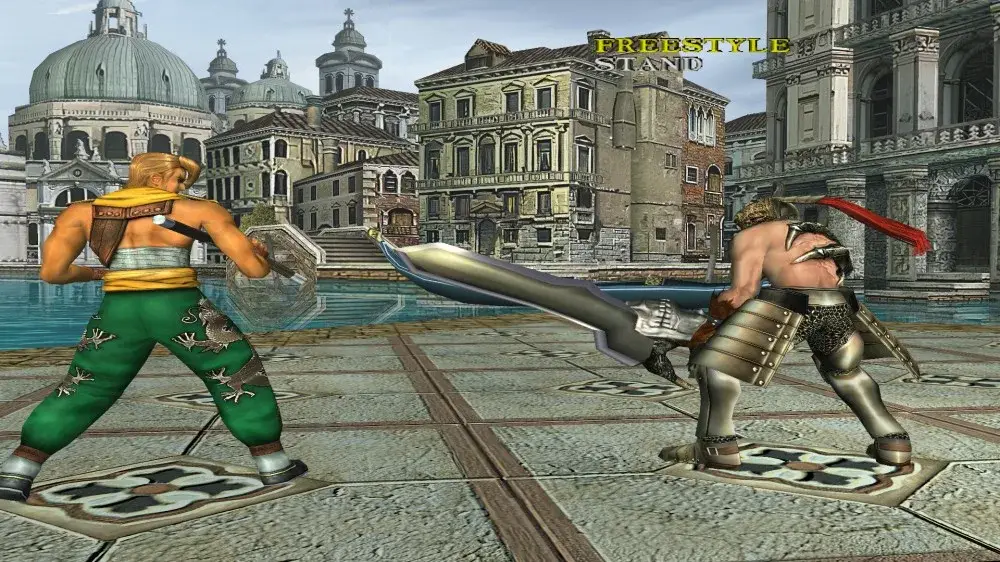
Welcome to the world of Soulcalibur, a legendary weapon-based fighting game series known for its fluid 3D combat and diverse cast of characters. Whether you're new to the series or a seasoned warrior, mastering the intricate weapon-based fighting system and understanding each character's unique moveset is key to victory. From the classic arcade roots to its modern iterations on platforms like Xbox One and Android, Soulcalibur offers deep gameplay for both solo players and those looking for a competitive edge.
This guide dives deep into the core mechanics and modes that make Soulcalibur a standout title. We’ll cover strategies for navigating challenging modes like Weapon Master and Chronicles of the Sword, break down the nuances of weapon attributes, and provide tips for overcoming formidable opponents, including the notorious Inferno. Get ready to hone your skills and conquer the Soulcalibur universe.
Getting Started
Your essential guide to starting Soulcalibur III. Learn about Create-A-Soul, Tales of Souls, Chronicles of the Sword, and more to begin your journey in the world of Soulcalibur.
Getting Started
Your essential guide to starting Soulcalibur III. Learn about Create-A-Soul, Tales of Souls, Chronicles of the Sword, and more to begin your journey in the world of Soulcalibur.
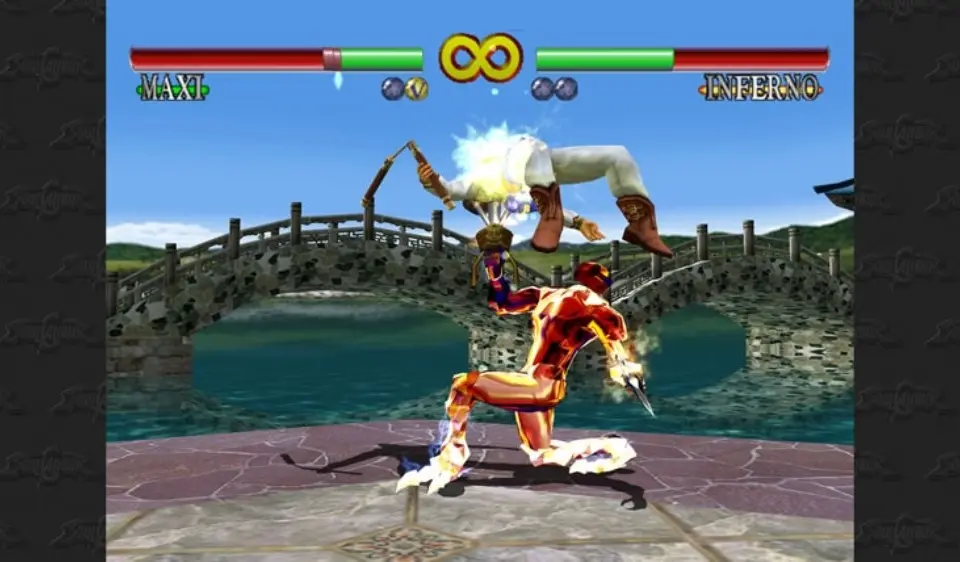
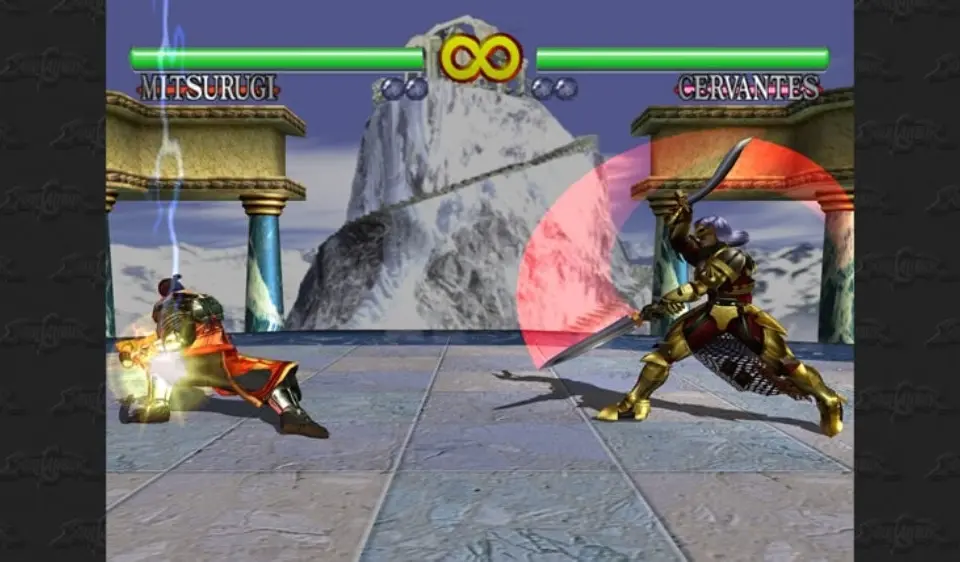
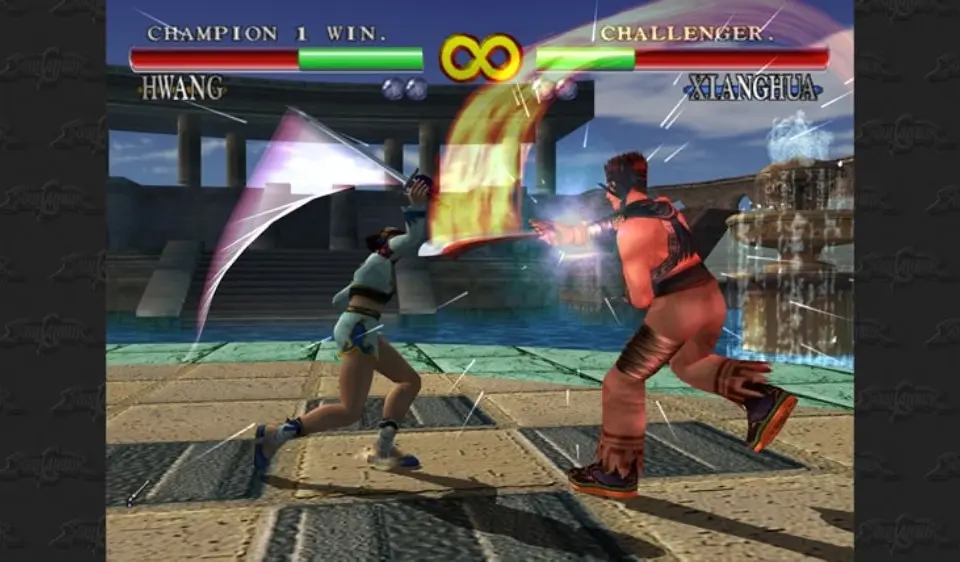
User Interface (UI) Explained — Soulcalibur Guide
Explore the User Interface (UI) of Soulcalibur III. Learn about game modes like Create-A-Soul, Tales of Souls, and understand controls with button layouts for PlayStation 2.
This guide breaks down the User Interface (UI) elements of Soulcalibur III, covering its various modes and controls. Understanding the UI is key to navigating the game's features and maximizing your gameplay experience.
| Input Method | Details |
|---|---|
| 8-way Joystick | Used for character movement and directional input. |
| 6 Buttons | Standard combat and menu interaction buttons. |
Key Game Modes:
- Create-A-Soul Mode: Allows players to design custom characters, choosing from thirteen distinct occupations and equipping them with various weapons.
- Tales of Souls: An interactive, story-driven mode that offers a narrative experience similar to the Edge Master Mode found in Soul Edge.
- Soul Arena: A mode focused on combat challenges and progression.
- Chronicles of the Sword: A strategic mode involving squad-based gameplay.
- World Competition: A mode for competitive play.
Game Information:
- Developer: Project Soul
- Publisher: Namco
- Platform: PlayStation 2
- Release Dates: NA October 25, 2005; EU November 18, 2005; JP November 23, 2005
- Genre: Fighting
- Modes: Up to 2 players simultaneously, with a League mode for up to 8 players.
- Ratings: ESRB: T (Teen), PEGI: 16+, OFLC: M, CERO: 12+, USK: 12
Character Selection & Archetypes
Master character selection in Soulcalibur III. Explore archetypes, Create-A-Soul options, and find the perfect fighter for your playstyle.
This section covers character selection and archetypes within Soulcalibur III. Players can create their own custom characters in the Create-A-Soul mode, choosing from thirteen distinct occupations, each with unique weapons and fighting styles. This mode allows for deep customization, enabling players to tailor a character that perfectly suits their preferred playstyle.
The game also features a variety of pre-set characters, including returning favorites and new additions to the roster. Understanding the archetypes and fighting styles of these characters is crucial for success in the game's various modes, such as Tales of Souls and Soul Arena.
Glossary of Fighting Game Terms
Learn the fighting game language for Soulcalibur. This glossary equips you with essential terminology for advanced strategies and community discussions.
Welcome, aspiring warriors of the Soulcalibur universe! To truly master the blade and ascend the ranks, understanding the language of fighting games is paramount. This detailed glossary will equip you with the essential terminology needed to comprehend advanced strategies, character guides, and community discussions. Familiarize yourself with these terms, and you'll be speaking the language of champions in no time.
Core Mechanics & Actions
- Attack (A, B, K): The fundamental offensive actions.
- A (Horizontal Attack): Typically a quick, wide-reaching attack. Excellent for interrupting sidesteps and hitting opponents attempting to circle you. Characters like Siegfried and Nightmare often have powerful horizontal attacks.
- B (Vertical Attack): A more focused, often slower, but powerful attack. Crucial for punishing linear movement and dealing significant damage. Mitsurugi's vertical attacks are a prime example of their destructive potential.
- K (Kick): Generally faster than weapon attacks, kicks are great for quick pokes, starting combos, and maintaining pressure. Taki’s rapid kicks are a staple of her aggressive playstyle.
- Guard (G): The defensive action used to block incoming attacks. Holding G will protect you from most strikes, but it's not foolproof.
- High Guard: Blocks high and mid-level attacks.
- Low Guard: Blocks low attacks. Be aware that you are vulnerable to high and mid attacks while in a low guard.
- Guard Impact (GI): A parry-like maneuver (usually 6G or 4G) that deflects an opponent's attack, creating an opening for a counter-attack. Timing is critical; a successful GI can completely shift the momentum of a match.
- Movement: How your character navigates the arena.
- Walk (4 or 6): Basic forward and backward movement.
- Dash (66 or 44): A quick burst of movement, often used to close or create distance.
- Sidestep (8 or 2): Moving into the foreground or background to evade linear attacks. Essential for avoiding vertical attacks and setting up your own offensive.
- 8-Way Run (8WR): The signature movement system of Soulcalibur, allowing full 3D movement around the arena. Mastering 8WR is key to controlling space and outmaneuvering opponents.
- Throw (A+G or B+G): An unblockable attack that grabs the opponent, dealing damage and often setting up further pressure. Throws are a vital tool for breaking an opponent's guard.
Advanced Concepts & Strategy
- Combo: A sequence of attacks that, once the first hit connects, cannot be blocked or escaped by the opponent if executed correctly. Learning character-specific combos from guides like "Move List and Guide" by Mr_MG (v.0.7) is crucial.
- Punish: Attacking an opponent during their recovery frames after they've committed to a move that missed or was blocked. Identifying punishable moves and knowing your character's fastest punish options is a cornerstone of high-level play.
- Whiff Punish: Specifically punishing an opponent's attack that completely missed (whiffed). This often requires good spacing and quick reactions.
- Frame Data: The numerical values assigned to each move, detailing its startup, active, and recovery frames. While not explicitly shown in-game, understanding frame data (e.g., a move being + on block) is critical for advanced players to determine which moves are safe and which create advantages.
- Oki (Okizeme): The strategy and pressure applied to an opponent as they are getting up from being knocked down. This can involve setting up unblockable attacks, low attacks, or throws to keep them guessing.
- Ring Out (RO): Knocking an opponent out of the arena for an instant win. Many stages, like the "Ostrheinsburg Castle" or "Grand Labyrinth," feature ring-out opportunities. Characters with strong pushback attacks, such as Astaroth, excel at securing Ring Outs.
- Stun: A state where an opponent is temporarily unable to act, usually after a powerful hit or a specific combo ender. This often allows for follow-up attacks.
- Mix-up: The act of presenting an opponent with multiple options (e.g., high/low, throw/attack, fast/slow) that they must guess correctly to defend against. Effective mix-ups are central to opening up an opponent's defense.
- Pressure: Continuously attacking or threatening an opponent to force them into defensive mistakes or to keep them from initiating their own offense.
- Spacing: Maintaining optimal distance from your opponent to maximize the effectiveness of your own attacks while minimizing the threat of theirs. Cervantes, with his long-reaching weapons, often thrives on good spacing.
- Neutral: The state of the game when neither player has a significant advantage or disadvantage, and both are vying for control of the stage and initiative.
Character & Archetype Specific Terms
- Zoner: A character whose primary strategy is to control space and keep opponents at a distance using long-range attacks or projectiles. Voldo, with his unique stances and reach, can be played as a zoner.
- Rushdown: A character focused on aggressive, close-range offense, overwhelming opponents with fast attacks and constant pressure. Taki is a classic rushdown character.
- Grappler: A character who specializes in powerful throws and command grabs. Astaroth is the quintessential grappler in Soulcalibur.
- Stance: A temporary change in a character's fighting posture that often grants access to unique moves or properties. Ivy's various stances are a core part of her complex playstyle.
- Command Grab: A special type of throw that often has unique properties (e.g., faster startup, longer range) and is executed with a specific button input rather than the universal A+G.
This glossary is a living document, much like the evolving strategies within Soulcalibur. As you delve deeper into character guides, move lists, and online communities, you'll encounter these terms frequently. Use this section as a quick reference to solidify your understanding and elevate your game!
Similar guides you might like

100% Human-Written. AI Fact-Checked. Community Verified. Learn how AntMag verifies content